| OCR Text |
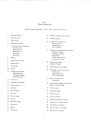
Show Fig. 1. Major Fremont Sites (ERTS mosaic prepared by U.S.D.A. Soil Conservation Services) 1. Swallow Shelter 2. Remnant Cave 3. HogupCavc 4. Promontory Caves 5. Lower Bear River Area Sites Bear River #1 Bear River #2 Bear River #3 Levee Site Knoll Site 6. Willard 7. Injun Creek, Warren 8. Danger Cave 9. Grantsville 10. Tooele 11. Utah Lake Area Sites Hinckley Farms Woodard Mounds Taylor Mounds 12. Crab Cave 13. Scribble Rock Shelter 14. Nephi Mounds 15. Ephraim 16. Amy's Shelter 17. Garrison 18. Pharo Village 19. Kanosh 20. Backhoe Village 21. Marysvale 22. Beaver 23. Paragonah 24. Median Village, Evans Mound 25. O'Malley Shelter 26. Yampa River Area Sites Mantle's Cave Marigold's Cave Hell's Midden 27. Dinosaur National Monument Sites Boundary Village Wholeplace Village Wagon Run Burnt House Village Cub Creek Village 28. Whiterocks Village, Caldwell Village 29. Felter Hill, Flat Top Butte 30. Nine Mile Canyon Area Sites Sky House Upper Sky House Four Name House 31. Hill Creek Area Sites Long Mesa 32. Windy Ridge Village, Power Pole Knoll, Crescent Ridge 33. Turner-Look 34. Innocents Ridge 35. Clyde's Cavern 36. Pint-Size Shelter 37. Nawthis Village, Gooseberry 38. Snake Rock, Poplar Knob 39. Old Woman, 1-70 Sites 40. Fremont River Area Sites 41. Bull Creek Area Sites TABLE OF CONTENTS Page Introduction 7 A Fremont Retrospective (John P. Marwitt) 9 The Variants of the Fremont: A Methodological Evaluation (Patrick Hogan and Lynne Sebastian) 13 Fremont Origins: A Critique (Michael S. Berry) 17 Fremont/Sevier Subsistence (David B. Madsen) 25 Fremont: An Artilactual Perspective (James M. Adovasio) 35 Page Fremont Settlement Pattern and Architectural Variation (Ernest S. Lohse) 4] Common Post-Archaic Projectile Points of the Fremont Area (Richard N. Holmer and Dennis G. Weder) 55 Comments J. Richard Ambler 69 Patrick Hogan and Lynne Sebastian 72 James M. Adovasio 73 C. Melvin Aikens 74 References 77 FIGURES Figure Page 1. Major Fremont Sites 2 2. Parowan Fremont subsistence model (Berry 1974) 27 3. Sevier subsistence model (interior river valleys) (Nielson 1978) 28 4. Discriminant Analysis of Five Variants 48 5. Discriminant Analysis of Two Variants .. .• 48 6. Fremont Architecture 53 7. Seriation diagram of projectile point frequencies at Fremont sites 56 Figure pa ge 8. Distribution maps for projectile point types 57 9. Common projectile points of the Fremont area 58 10. Distribution map of Bull Creek and Parowan Basal-notched projectile points 62 11. Temporal distributions of the projectile point types commonly found in the Fremont area 67 TABLES Table I. II. III. IV. V. VI. VII. VIII. IX. X. XL Page Plant Types Identified at Fremont/ Sevier Sites 29 Faunal Remains from Selected Fremont/Sevier Sites 30 Distribution of Fremont coiling foundation techniques by site 37 Distribution of Fremont twining techniques by site 38 Fremont Habitation sites Used 43 House Shape and Dimensions 44 Fireplace Treatment 45 Miscellaneous Structural Features 45 Comparison of Fremont Architectural Traits within Marwitt's Variants 46 Misclassified Sites 47 Comparison of Fremont Architectural Traits within the Colorado Plateau and the Eastern Great Basin 47 Table Page XII. Misclassified Sites 48 XIII. Typical Anasazi Architectural traits present within the Fremont area 52 XIV. Predicted dates based on the frequency of Rose Spring Corner-notched points 59 XV. Ceramic- and Point-type Cooccurrence 60 XVI. Occurrence of Bull Creek Points: Area 1 63 XVII. Occurrence of Bull Creek Points: Area II . . . 64 XVIII. Occurrence of Bull Creek Points: Area III .. 64 XIX. Occurrence of Bull Creek Points: Area IV .. 65 XX. Occurrence of Bull Creek Points: Area V . . . 65 XXI. Occurrence of Parowan Points: Area VI 65 XXII. Occurrence of Parowan Points: Area VII . . .66 XXIII. Occurrence of Parowan Points: Miscellaneous Sites 66 XXIV. Occurrence of Parowan Points: Miscellaneous Sites 66 |