| OCR Text |
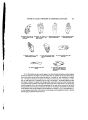
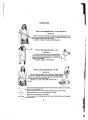
Show 24 I, MYSELF- YES. bring the hands nearly together, fingers closed, as if holding a number of the small objects in each hand, and up again to the height of the breast ( Brisbin.) The Sioux make substantially the same sign, with the difference that they begin about a foot and a half from the ground and bring the hands up to the height of the breast. ( McChesney.) 5. Both hands closed, brought up in a curved motion toward each other to the level of the neck. ( Titchkemdtski.) Idea of fullness. 6. Move the two open hands toward each other and slightly upward ( Wied) ; the action of forming or delineating a heap. 7. myself, first personal pronoun. Represented in some tribes by motions of the right hand upon the breast, the hand sometimes clinched and struck repeatedly on the breast- or the fingers or the index alone placed upon it. Others touch the nose- tip with the index, or lay it upon the ridge of the nose, the end resting between the eyes. Some deaf- mutes push the forefinger against the pit of the stomach, others against the breast, and others point it to the neck for this personality. Yes, affirmative, " it is so." One of the signs is somewhat like " truth," but the forefinger proceeds straight forward from the breast instead of the mouth, and when at the end of its course it seems gently to strike something, as if the subject were at an end ( Long) ; no further discussion, "' nuff said," as is the vulgar* phrase of agreement. Another: Quick motion of the right hand forward from the mouth, first position about six inches from the mouth and final as far again away. In the first position the index is extended, the others closed, in the final the index is loosely closed, thrown in that position as the hand is moved forward, as though hooking something with it. Palm of hand out ( Deffen-baugh.) Others wave both hands straight forward from the face ( Burton), which may be compared with the forward . nod common over most of the world for assent, but that gesture is not universal, as the New Zealanders elevate the head and chin, and the Turks shake it like our negative. With others, again, the right hand is elevated to the level and in front of the shoulder, the first two fingers somewhat extended, thumb resting against the middle finger, and then a* sudden motion in a curve forward |