| OCR Text |
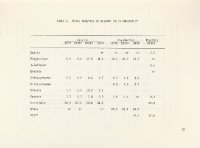
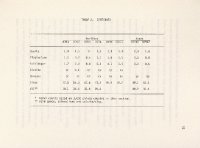
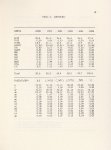
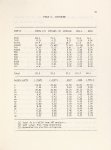
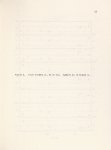
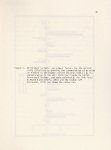
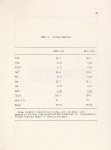
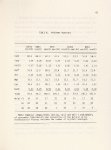
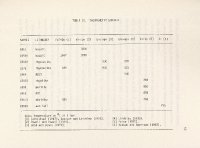
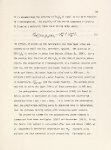
Show CHAPTER 2. PETROGRAPHY Basalts Modal basalts analyses of four local South Basalt is single flow that exhibits a intergranular texture an with iddingsitized, subhedral phenocrysts of olivine up to .7 longest dimension, in and strongly zoned plagioclase groundmass of plagioclase, augite, iron a Cedar Hills basalts olivine. contain up to 2.9 more groundmass augite. euhedral mm mm in the long mineralogically similar but generally abundant phenocrystic olivine, flows Some individual are and ground ubiquitous aphanitic. These basalts locally scoriaceous and contain secondary, yellow zeolites in are vesicles. was sampled the area. with variability of basic volcanics in in order to examine the larger, cores, and Howes (1972) more more the outcrop, 12 km due west of the South Basalt, A third basalt This basalt set titanium oxides and minor larger plagioclase phenocrysts, slightly more olivine, mass are The shown in Table 2. are (84103) abundant is similar to the Cedar Hills outcrops phenocrystic olivine with iddingsitized abundant iron titanium oxides in the groundmass. noted similar variations in roadcut basalts north of the Wildcat Hills. Subspherical collected at one basalt inclusions (8453) within a frothy felsite were locality close to rhyodacite outcrop. clusions, which range from 0.5 to 4.0 plagioclase phenocrysts to 1.1 up to 1.5 mm cm in mm), xenocrystic embayed quartz, ilmenite. Identifiable and opaquese Inclusions in diameter, length, These in contain euhedral olivine -(up and abundant acicular groundmass phases include augite, plagioclase, are commonly enclosed in a granophyric |