| OCR Text |
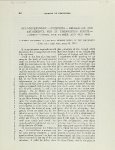
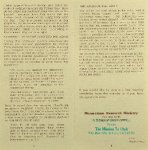
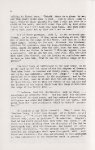
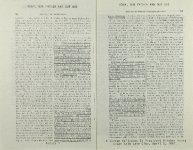
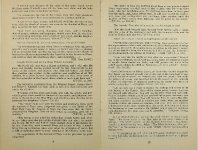
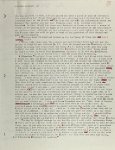
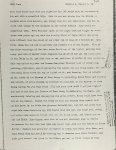
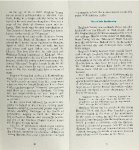
Show Dialogue Vol. 15, No.1 BUERGER: The Adam-God Doctrine / 31 ran Private endorsement of Young's .m's other meetings of the School of the face Geo[rge] Q. Cannon fully endorsed the doctrine that Father Adam was our God :;od and Father ems that he knew it was true. "62 In another meeting of the School three years later, ling " .... teachings was even more emphatic in Prophets. In an 1870 meeting, "Elder Indeed, "the above doctrine had been revealed to him, so Daniel Wells of the First Presidency asked his colleagues whether' they endorsed the" doctrine pertaining to Adam being our Father & our God." He rine personally "bore a powerful testimony to the truth of the doctrine, remarking For that if ever he had received a testimony of any doctrine in this church he had the of the truth of this. The Endowments plainly teach it and the Bible & other .ted revelations are full of it." Others who "approved or endorsed" the doctrine at the meeting were Henry Grow, D. B. Huntington, John Lyon, George B. rist lere Wallace, and Joseph F. Smith, the latter stating that "the enunciation of that J doctrine gave him great joy."63 )f a O. The public de-emphasis on the Adam-God doctrine apparent in the 1860s continued through Brigham's death in 1877. In an 1870 meeting of the School (es. of the Prophets, "Prest. ;od on use Young" again had advised "the brethren to meditate the subject, pray about it and keep it to yourselves."64 Three years later, amidst the testimonials of the 1873 meeting noted above, he further counseled of that he "was positive of the truth of this doctrine [Adam .ec and our God], but thought we should be cautious about nt Jur we we n's being our Father preaching on doc trines unless we fully understand them by the power of the Spirit, then they commend themselves to the hearts of the hearers. "65 Perhaps significantly, it was on the relatively rare occasions when Presi dent Young addressed this persistently unpopular subject during these years that he began to ascribe regularly the doctrine to Joseph Smith. Such claims made in 1861 and 1867 already have been noted; another was made in 1876. In 1873, however-a year in which T. B. H. Stenhouse wrote that "the mass of the Mormon people do not believe the doctrine of the Adam deity"66- Brigham, for the only known time, carried his public case one step further. In a sermon in the New Tabernacle in June, which was Deseret News, the prophet commented: published in the How much unbelief exists in the minds of the Latter-day Saints in regard to one particular doctrine which I revealed to them, and which God revealed to me-namely that Adam is our father and God-I do not know, I do not inquire, I care nothing about it. I This, then, was not a personal belief. Nor was there any question about what was being said. After indicating that "Father Adam" held the keys of salvation for his children, Brigham went on: "I could not find any man on the earth who could tell me this, although it is one of the simplest until I met and talked with Joseph Smith " .... things in the world, "We say," he then continued, that Father Adam came here and helped to make the earth. Who is he? He is Michael, a great prince, and it was said to him Eloheim, ... by |