
Contents | 151 of 277








































































































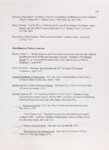

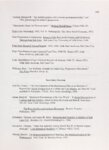


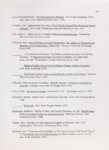
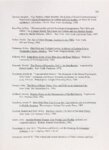



Page 151


| Title | Lavender sons of Zion: a history of gay men in Salt Lake City, 1950-79 |
| Publication Type | dissertation |
| School or College | College of Humanities |
| Department | History |
| Author | Winkler, Douglas A. |
| Date | 2008 |
| Description | Historians consider World War II a watershed for gay men and lesbians. The mobilization transplanted millions of young people from rural areas and natal families to the sex-segregated worlds of barracks and factories, permitting unprecedented opportunities for homosexual desire. Wartime conditions also spawned a postwar expansion of gay and lesbian subcultures in major cities. While large cities gave gays from America's hinterlands a taste of metropolitan life and undreamt of sexual freedom, smaller towns like Salt Lake City contained both urban and provincial elements. Dubbed a "small metropolis" by one author, Salt Lake was large enough to attract gays from adjacent rural areas, yet small enough to compel many Salt Lake natives to seek better lives elsewhere. Both singular and unremarkable, gay life in Salt Lake resembled gay subcultures in comparably-sized cities, but also bore the distinctive imprint of Mormon culture. This dissertation uses oral history, court records, newspaper articles, essays, and public speeches by Mormon Church leaders to document the lives of gay men in Salt Lake City from 1950 to 1979. The dissertation begins with the childhood and adolescent experiences of gay men raised in Utah or the Mormon Church during the 1940s and 1950s. Aside from a general concern about "moral cleanliness," Mormon Church officials made few explicit references to homosexuality, and interviews revealed that the subject was seldom raised in narrators' families. Consequently, boys freely engaged in homosexual activity with friends, oblivious to its social significance. However, reticence gave way to vigilance and repression as the antigay ideology of the Cold War penetrated Utah. Like a gathering storm, tightening law enforcement in the 1950s foreshadowed the Mormon Church's more aggressive, forthright approach to homosexuality in the 1960s. The church employed secular means to ensure spiritual purity, selectively embracing psychiatry and law enforcement methods to root out homosexuality among church members. Despite such putatively hostile conditions, however, gays in Salt Lake City enjoyed opportunities for social and sexual interaction. Gay territory in Salt Lake involved resourceful adaptation of space shared with heterosexuals, and local gays forged a close-knit community from a handful of public gathering spots. By the early 1970s, a more assertive gay community made savvy use of print and broadcast media to redefine homosexuality as a political issue. Consequently, activists exposed the Mormon Church's treatment of gays and confounded its efforts to regulate homosexuality as a private, ecclesiastical matter. |
| Type | Text |
| Publisher | University of Utah |
| Subject | Homosexuality; Utah; Salt Lake City; history; 20th century gay men; Salt Lake City Latter Day Saint gay people |
| Dissertation Name | Doctor of Philosophy |
| Language | eng |
| Rights Management | © Douglas A. Winkler |
| Format | application/pdf |
| Format Medium | application/pdf |
| ARK | ark:/87278/s6wwqqd6 |
| Setname | ir_etd |
| ID | 2550372 |
| Reference URL | https://collections.lib.utah.edu/ark:/87278/s6wwqqd6 |
Page Metadata
| Title | Page 151 |
| Format | application/pdf |
| Setname | ir_etd |
| ID | 2550523 |
| OCR Text | Show |
| Reference URL | https://collections.lib.utah.edu/ark:/87278/s6wwqqd6/2550523 |