| OCR Text |
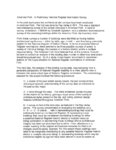
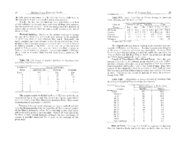
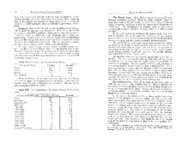
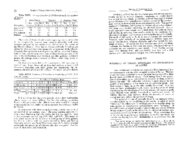
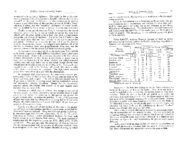
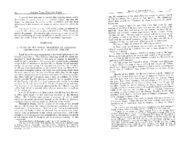
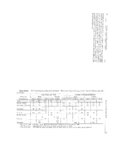
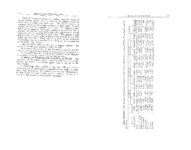
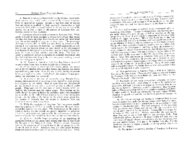
Show 189 THE MORMON VILLAGE AMERICAN FORK, 1927 land which had been held by some of the settlers for 22 years was officially entered and title secured under provisions of various land acts. (Table 34.) The most popular method of securing title was by means of the provisions of the Homestead Act. This Act, however, im~ posed considerable inconvenience upon the Mormon settlers because they already had their residence established in the vil~ lage, and to qualify under the provisions of the Homestead Act necessitated their establishing temporary residence upon the land. Actually the inconvenience fell to relatively few of the potential patentees. Since on each quarter section to be patented there were perhaps a score or more persons claiming land, they usually selected one of their number to enter the entire 160 acres in his name. Upon the acquisition of patent to the land this man would proceed to deed to the several owners title to their land. The individuals would in turn pay him a fee - fre~ quently five dollars - to compensate him for the expense to which he had been put and for the fact that he had spent his homestead right. As a matter of fact, this practice of getting title to the land from the government through one of many individuals actually interested was followed whether the land was alienated under the Homestead Act or under the Act of 1830. There were no land laws that were suitable for convenient alienation of land by the Mormons. In reality the most con~ venient method would have been for the entire area to have been patented under the provision of the Townsite Entry Act of 1867. This was not possible under the provisions of this Act and some additional legislation would have been necessary to have facilitated the patenting of these lands. Such legislation not being in existence, the pioneers of American Fork - as in all Utah settlements - did the most expedient thing under the circumstances. 188 TABLE 34 The Number of Acres of American Fork Lands Alienated Under Various Land Laws. Act Acres Total _____________________ _____________________________________________ ________ ____ 9,512 May 20, 1862-(Homestead Law)__________________ _________ _ April 24, 1820-(Sale at $1.25 an acre)__ ________ ______ March 2, 1867-(Townsite Entry)_______________________ _____ March 3, 1855-(Military Bounty Warrants)________ July 2, 1862-(Agricultural College Scrip)______________ 4,880 2,232 1,120 800 480 Utilization and Tenure of Land. Land in American Fork, as in most Mormon villages, falls into the following general classes from the standpoint of utilization: 1. Farm or arable land. 2. Residential lots (in the village proper). 3. Pasture land (cultivated). 4. Grazing land. a. Free. h. Restricted. Farm Land. The farm land falls into two general classes, irrigated and dry farm land. The amount of irrigated land owned by each farmer was relatively small, amounting to less than fifty acres on the average. The modal group of all land in farms of American Fork was less than twenty~five acres. This was true for the communities of Escalante and Ephraim as well. The size of farm by tenure in American Fork is shown in Table 35. In American Fork there was a higher degree of intensifica~ tion in agriculture. Whereas Ephraim and Escalante had only a fourth of their farms in the class "under 25 acres," American Fork had over 40 % of its farms in this class. There were also relatively fewer large farms and these represented for the most part dry farm holdings. In Ephraim and Escalante the larger farms represented grazing units as well as dry farms, except that in Escalante there was practically no dry farming. The irrigated acreage naturally averaged less than the total land in farms. In American Fork over 50% of the irrigated units were less than 25 acres, and in Ephraim more than 38% |