| OCR Text |
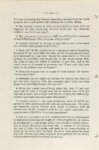
Show 15 CONSUMERS The bill would require the Secretary of Transportation to set property-loss reduction standards for passenger cars, thereby making available to the public certain basic cost-saving features. These • require manufacturers of automobiles to build cars resistant to damage or were less expensive to repair standards would that were more Senate passes auto- :!:dar4S if damaged. addition, the bill would establish an Automobile Consumer Study to determine how to provide consumers with about the operating costs and safety charac information meaningful teristics of particular vehicles, thereby encouraging manufacturers to compete to produce cars with operating cost and safety character istics that exceed required standards. • In Information The bill would also establish demonstration projects to test the design and feasibility of safety and emission diagnostic test inspec • safety of motor vehicles in use from intentional and uninten owner car the help protect tional repair abuses. In addition, the bill would establish a national policy against odometer tampering. The Administration opposed tion facilities which would insure the and would As indicated by the quote above, it believes that it is the function of the marketplace and not the federal govern ment to set damage standards for cars. passage of S 976. "The buyer has the right to expect that his health and safety taken into account by those who seek his patronage." are PRESIDENT RICHARD NIXON Message to Congress October 30, 1969 Democrats have proposed a bill repair. for auto recalls and free • to on Consumer Protection give DOT the authority Democratic members of the Senate to ask in the forefront of promandatory recall provision forare moting legislation to reinstate a merly in the law. S 2946, introduced by Wisconsin Senator Gaylord Nelson and Minnesota Senator Walter Mondale, would vest in the Secretary of Transportation the authority to require the repair of all non-complying or defective motor vehicles or motor vehicle equipment at no cost to the consumer. • • The position of the Administration on mandatory recall Iegisla tion is ambiguous. In a letter from the General Counsel of the De partment of Commerce to the Director of the Office of Management and Budget, dated December, 1971, the Department firmly opposed Government e:::r to ask for recall |