| OCR Text |
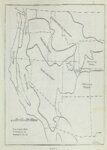
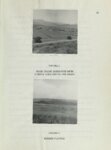
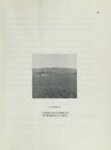
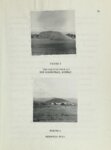
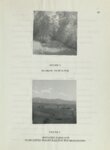
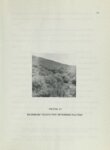
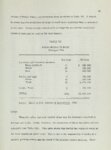
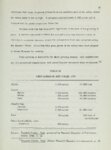
Show 37 of zonation along the Wasatch Front in which he identified: A grass Valley Scrub-oak 3. Aspen and Conifer Plain from the floor to about valley 5,000 feet. 5,000-7,500 feet. belt above 7,500 feet. 24 Vegetation ear ly explorers who entered Heber lush verdant pastures, dominated the most complete grazing. Perhaps Valley during on zone zone from 2. The plain -sagebrush the pioneer era was by Valley reported for the valley succulent grasses suitable for description of the H. by Captain James the lush meadowland that would be ideal for cattle vegetation of Heber Simpson, who commented raising: The grass particularly in Round Prarie (Heber) 'w;nere, there great deal of meadowland is abundant, and 1 know no place where stock be better fed and sheltered and watered during the is cO_215d winter. Beckwith, another early wr.iter described vividly the streamside vegetation along the banks of the Provo River which were apparently lined 26 with willows half 24Walter of the a mile w.ide and cottonwoods 250-300 P. Cottam and Frederick R. Evans, of Grazed and Vegetation Ecolpgy, Vol. 26, 1945, 25Captain James Ungrazed Canyons yards "A wide. Comparative Study Range, Utah," of the Wasatch p. 174. Simpson, Explorations Across the Great Basin of the Territory of Utah 1859, 35th Congress, za Session, (Washington: Government Prmtmg Ofhce, 1876), p. 129. H. 26 Lieut. E. G. Pacific Railroad, Vol. II, House Of (Washington: on Beckwith, Report of Explorations for a Route for the the Line of the Forty -First Parallel of North Latitude,' Representatives, Ex. Doc. 91, 33rd Congress. Printing Office), p. 132. Government 2d Session, |