| OCR Text |
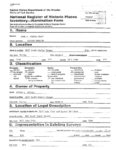
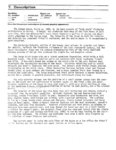
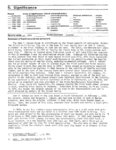
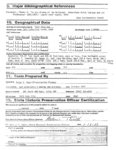
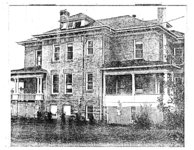
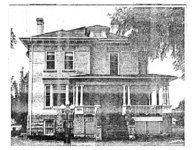
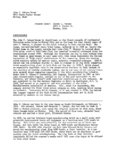
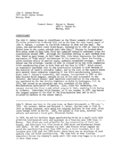
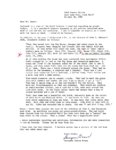
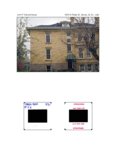
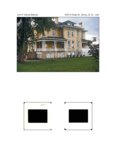
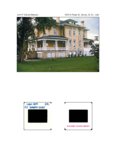
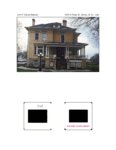
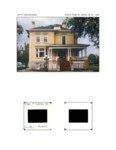
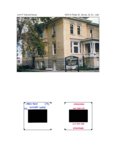
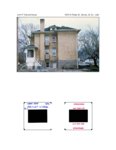
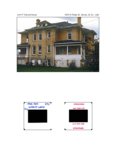
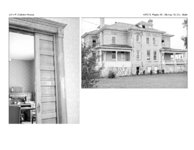
Show scan M. MATHESON GOVERNOR October 29, 1982 Division of State History (UTAH STATE HISTORICAL SOCIETY) STATE OF UTAH DEPARTMENT OF COMMUNITY AND ECONOMIC DEVELOPMENT MELVIN T. SMITH . DIRECTOR 300 RIO GRANDE SALT LAKE CITY. UTAH &4101 TELEPHONE 801/533-5755 Steven L. Hansen 4872 S. Poplar st. Murray, UT 84107 Dear Mr. Hansen: We are pleased to inform you that the John P. Cahoon House at 4872 S. Poplar Street will be considered by the State Review Board for nomination to the National Register of Historic places. The National Register is the Federal Government's official list of hi~toric properties worthy of preservation. Listing in the National Register provides recognition and assists in preserving our Nation's heritage. Enclosed is a copy of the criteria under which properties are evaluated. Listing in the National Register provides the following benefits to historic properties: --Consideration in the planning for federally assisted projects. Section 106 of the National Historic Preservation Act of 1966 provides that the Advisory Council on Historic Preservation be given an opportunity to comment on projects affecting such properties. --Eligibility for Federal tax benefits. If a property is listed in the National Register, certain tax provisions may apply. The Tax Reform Act of 1976, as amended by the Revenue Act of 1978 and the Tax Treatmeant Extension Act of 1980, and the Economic Recovery Tax Act of 1981, contain provisions intended to encourage the preservation of depreciable historic structures by allowing favorable tax treatments for rehabilitation, and to discourage destruction of historic buildings by eliminating certain Federal tax provisions for demolition of historic structures. Beginning January 1, 1982, the Economic Recovery Tax Act replaces the rehabilitation tax incentives available under prior law with a 25% investment tax credit for rehabilitations of certain historic commercial, industrial and residential rental buildings. This can be combined with a 15-year cost recovery period for the adjusted basis of the historic building. Historic buildings with certified rehabilitations receive additional tax savings because they are exempt from any requirement to reduce the basis of the building by the amount of credit. The Tax Treatment Extension Act of 1980 includes provisions regarding charitable contributions for conservation purposes of partial interests in historically important land areas or structures. State History Boa rd Milton C. Abrams. Cha irman • Theron H . Luke • Delio G Dayton • Wayne K. Hinton • Helen Z Papanikolas • Ted J . Warner • Elizabeth Montague • Thomas G. Alexande r Da vid S Monson • Elizabeth Griffilh • Wi lliam D. Owens |