| OCR Text |
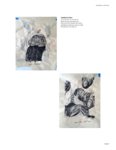
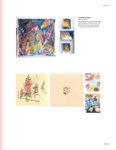
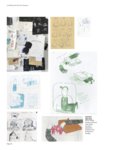
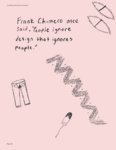
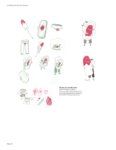
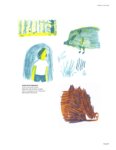
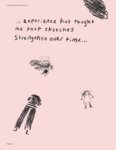
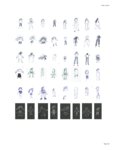
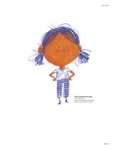
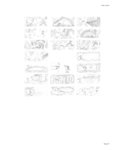
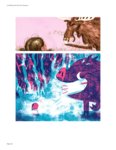
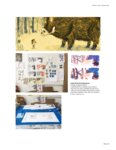
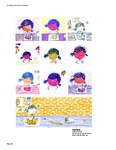
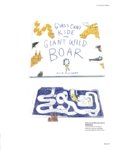
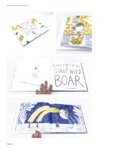
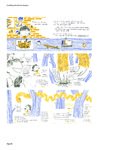
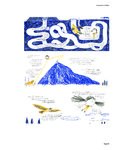
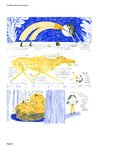
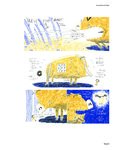
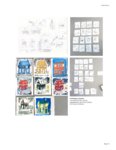
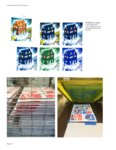
Show Explore style treatments My style is naive. It has been described with such words as cartoony, silly, kitschy. At first, this was devastating and embarrassing to me. I wanted my work to be taken seriously. However, after attempting to use more sophisticated materials and methods I quickly realized that I was not being true to my authentic self. I worked with community art outreach programs for four years, during which time I developed a love and appreciation for art produced by children, especially those who have not begun to compare their work to the work of their friends. Their art is unfiltered and refreshing. My art practice ultimately combines an appeal to my target audience (children) with a genuine appreciation for their own art-making sensibilities. Using childish mediums such as colored pencil, crayon, markers, and collage creates a childlike aesthetic. Humor also has the ability to evoke youth; most children’s media includes elements of humor. However, it can also serve a deeper purpose. People are drawn to things that make them laugh. Upon closer examination, childlike subject matter often addresses more complex societal issues. It’s a way to engage with the audience and hold their attention. Essentially, humorous art is accessible art. While making imagery for, Girls Can’t Ride the Giant Wild Boar, I asked several colleagues and professors for feedback. I received great suggestions, but realized that in doing so I had completely forgotten my target audience: children. I then asked my friends and family to show samples of my work to their children. They all unanimously decided on an image which not one of my colleagues had chosen. The children preferred the flatter and more graphic of the two, over the slightly more realistic rendering, which was also slightly scary (see fig. 1 on page 35). In the end, I scrapped both designs as they did not correlate with the core purpose of my style and methodology, which is to stretch the margin of what art can be. My colleagues and professors all reacted differently to the change; some in favor, others not. I realized that initially, I was catering to what would attract publishers, which altered the way in which I created the imagery. During a video conference, illustrator Meltem Sahin pointed out that my drawings had become too tight and refined and commented that it seemed like I had lost enjoyment in the creative process; she was right. I revisited my choice in material, color, and technique which resulted in imagery that I enjoyed making. In conjunction, my audience enjoyed them more than the previous iteration as well. This naive style better depicted the moment between being a child and a woman, but through the eyes of a child. Page 39 |