| OCR Text |
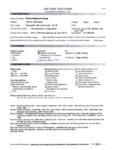
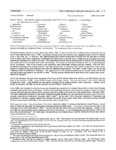
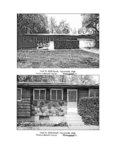
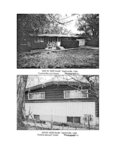
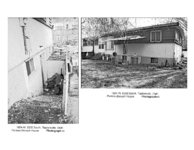
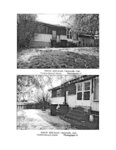
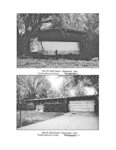
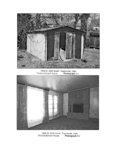
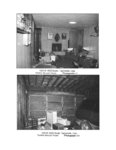
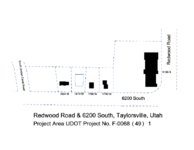
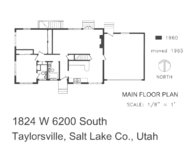
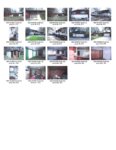
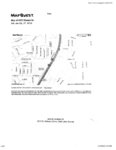
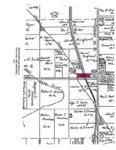
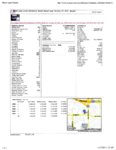
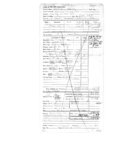
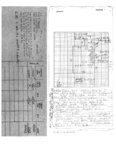
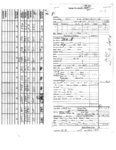
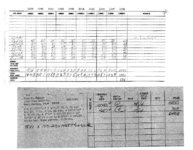
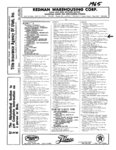
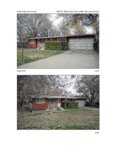
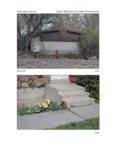
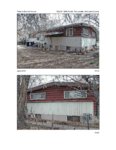
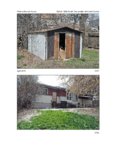
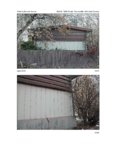
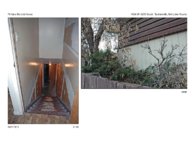
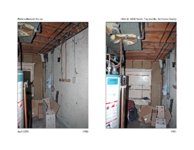
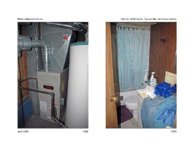
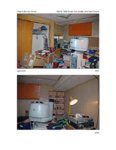
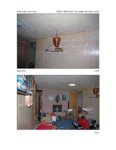
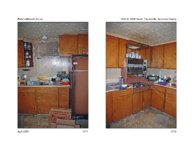
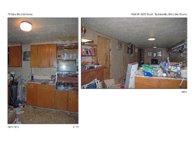
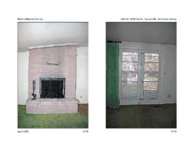
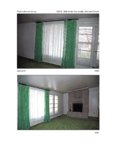
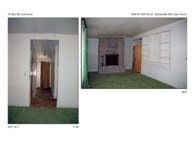
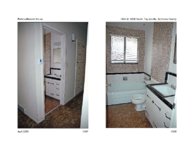
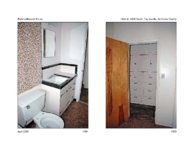
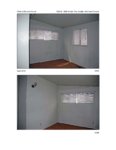
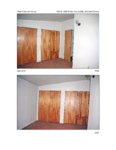
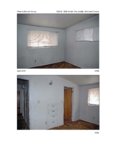
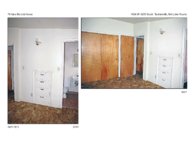
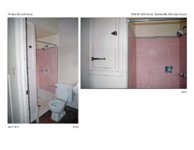
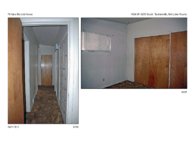
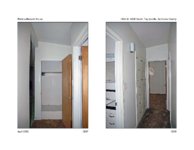
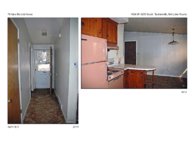
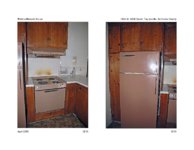
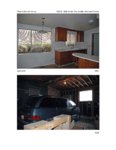
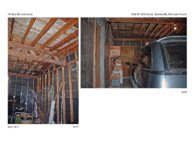
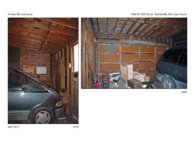
Show 1824 W. 6200 South, Taylorsville, Salt Lake Co., Utah 4 ARCHITECTURAL DESCRIPTION Building Style/ Type: Foundation Material: No. Stories: Ranch-Rambler I Ranch Concrete ~--------- ---------------------------- Additions: --.Lnone _minor _major (describe below) p. 2 Wall Material(s): Clapboard, Aluminum Siding, Stone Facing Alterations: ~none ___minor _major (describe below) Number of associated outbuildings __-'--_ and/or structures Briefly describe the principal building, additions or alterations and their dates, and associated outbuildings and structures. Use continuation sheets as necessary. The Perkins-Bensch House is a one-story frame ranch-style house built in 1960. It was originally located at 4873 S. Edward Drive in Salt Lake County.l In 1965, the building was moved to 1824 W. 6200 South within the Bennion area of Taylorsville City.2 It was demolished in April 2010 as the result of improvements proposed by the Utah Department of Transportation 3 (UDOT) to the intersection at Redwood Road and 6200 South. The Perkins-Bensch House was sheathed in a variety of materials: wood clapboard and stone facing on the facade, clapboard and vertical aluminum siding on the secondary s elevations.4 The style is ranch/rambler with a low-pitched roof covered in asphalt shingles. The attached garage is original. During the relocation was building was placed on a new concrete foundation. There is a front stoop and two rear stoops. The basement was finished as a separate apartment in 1965. The rear entrance to the basement appears to be a later modification (circa 1980). The building sits at the south end of a O.34-acre rectangular parcel facing 6200 South. A noncontributing metal shed was in the northeast corner of the property. The parcel has numerous mature trees. The footprint of the house is a rectangle measuring 40.5 feet by 24 feet with the long side facing the street. The attached garage (19 by 22 feet) is at the east end. The facade (south elevation) features two box bays. The box bays are sheathed in wood clapboard siding. The inset porch and front entrance is divided horizontally with clapboard on top half and multi-colored cobblestone facing on the bottom half. The door is just off-center in the asymmetrical facade. The secondary elevations, including the garage, feature the same horizontal division with clapboard siding on top and vertical aluminum siding on the bottom. The clapboard siding is painted red and the aluminum siding is white. There are plain wood doors on the front and the rear (garage and basement entrance). A pair of original French doors with horizontal lights leads to the back patio. The windows are original combinations of vertical and horizontal aluminum sliders. The kitchen (front) and living room (rear) feature on one picture window with a crank casement. The garage door is the original horizontal panel wood door, painted white. The exterior basement entrance (circa 1975) has a wrought-iron rail and is sheltered by an aluminum awning. Screen doors on the front and back are non-historic replacements. On the interior, the house has 1,012 square feet of space on the main floor with the same amount in the mostly finished basement. The front entrance leads to a short hall. The kitchen is to the east with a dining area in the southeast corner of the main floor. The kitchen features the original cabinets and appliances, including a range with a separate control panel in the wall . The large living room along the north side of the house is accessible from the entry hall or the kitchen . There in a set of interior stairs to the basement located between the kitchen and the living room. The living room ceiling is sloped to match the pitch of the exterior roof. At the east end of the living room is a full-height fireplace with a mantel and hearth built of rock-face Roman brick. The north side of the room features the French doors and a large picture window with full-length drapes. The south wall has built-in bookcases. The entry hall turns west to the bathroom and bedrooms. The main floor has two large bedrooms in the northwest and southwest corners. The bathroom with original pink and black tile is centered on the south side. The doors, moldings and most of the light fixtures are historic. The main floor has been well maintained despite its age. The basement features a long finished room on the north side of the house that has a Roman brick hearth (similar to the main floor) at one end. The kitchen with original circa 1965 cabinetry is at the other end of the room. There is also a bedroom and bathroom in the basement. The remaining portions are unfinished. The Perkins-Bensch House faces south with little frontage between the building and busy 6200 South, which was widened in the early 1990s. There are sidewalks leading to the front door and around the west end of the house to a concrete patio along the rear (north) elevation. A short concrete driveway is on the east end where the attached garage is located. The noncontributing (circa 1975) shed is rusted and in poor condition. The yard is fenced with a wood plank fence along the east and north property lines. The west property line had a combination of wood and wire fencing. There are mature trees near the house and alQng the fence lines. The house is located not far from the busy intersection of Redwood Road and 6200 South where a former LOS Church was located. The neighborhood is a mix of older residences along 6200 South and newer subdivision development within the blocks. The Perkins-Bensch House was listed as a contributing resource in a Reconaissance Level Survey conducted by Elizabeth Giraud for UDOT in the spring of 2009. Prior to its demolition in April 2010, it was a contributing resource in its Taylorsville-Bennion neighborhood. Evidence of the move comes from historic tax cards at the Salt Lake County Archives. Edward Drive is on the southeast bench at approximately 3300 East. It is within unincorporated Salt Lake County. The Perkins-Bensch House was moved with approximately five other homes out of the route of the proposed Interstate-215 (aka the belt route). 2 Redwood Road is State Road 68. In 1995 when the Taylorsville-Bennion area incorporated, the name of the city was shortened to Taylorsville and 6200 South was given the name Bennion Boulevard. 3 Mitigation for this and three other buildings was conducted as part of UDOT Project No. F-0068(49) 1, PIN 6589. 4 No tax records or historic photographs are available for the building prior to the move in 1965. It is not known whether all of the exterior materials are original, but they appear to be from the historic period. S The original roof material was built-up. 1 |