| OCR Text |
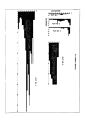
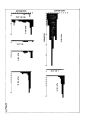
Show 4 Plot No. 7 - This plot was prepared by simply broadcasting liberal amounts of salt and doing nothing else. By comparing plot 1, control, by plot 7, salted only, it is apparent that too much salt can be applied causing detrimental effects. Plot 7 has less average resistance than the control plot. So much salt was added that the snow was actually slushy. The next series of plots, 8 through 12, were all prepared by some type of machine used in normal ski area operations. No. 8 was packed by a single pass of a Kristi oversnow vehicle, No. 8 A with a single pass of a light snow roller. No. 9 was packed by two passes of the Kristi, and No. 9A by two passes of the light roller. An attempt was made to pack No. 10 with an Oliver tractor, but it stuck in the snow and had to be dug out ( no ram profile was collected). Plots No. 11 and 12 were compacted with one and two passes, respectively, of a heavy snow roller. All these profiles show that a fairly thin layer of surface snow was disturbed. This set up in a layer that would hold a skier but not a succession of skiers all turning at the same place. None of the plots indicated much disturbance to the underlying depth hoar which is extremely unstable and loose. With these conditions existing, it does not take long for the skier to penetrate the top layer of snow and then proceed to the ground. These plots were taken later in the winter and may bring up the question that the testing was unfair. Perhaps if the machine packing were started earlier in the season this condition of underlying unstability might be alleviated. However, this method of packing is exactly what is done at Winter Park but to very little avail. |