| OCR Text |
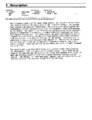
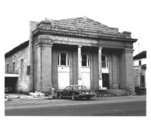
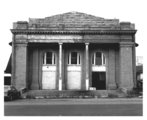
Show 7. Description Condition X excellent good __ fair deteriorated ruins unexposed Check one unaltered X altered Check one X original site moved date Describe the present and original (if known) physical appearance The following elements of the opera house reflect the influence of the Classical Revival style of the early years of the Twentieth Century: the rectangular massing; the prominent entablature; the massive piers which support the entablature; and the pilasters which flank the monumental round arch openings on the facade. The gable of the fronticepiece which projects above the entablature is suggestive of a pediment, a common element of Classical and Classical Revival architecture. The gable echoes the gable roof behind it and its presence is accentuated by the use of a rough dressed stone which contrasts with the smoother stone used for the rest of the facade. The entablature is particularly heavy as are the piers that support it. The cornice of pressed tin has block modillions and is capped by a decorative band of simple geometric ornament. There are dentils on the frieze and series of bands ornament the architrave. The building has a low base which tends to accentuate rather than alleviate its massiveness. The side walls are of coursed rubble. The windows on the sides of the building and the doors on the facade were boarded up or filled in when the building ceased to serve its original function, and was used for storage. The changes that have been made, however, are not irreversible, and have not destroyed the original integrity of the building. |