| OCR Text |
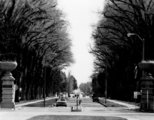
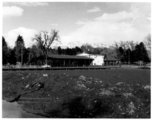
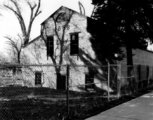
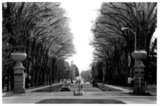
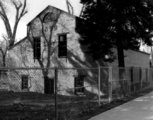
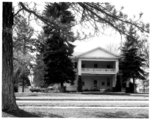
Show 8. Significance Period prehistoric 1 400 1 499 1500-1599 1600-1699 1700-1799 x 1800-1899 1900- Specific dates Areas of Significance Check and justify below areheoloav-Drehistoric archeology-historic x communitv olannina conservation economics agriculture architecture art commerce communications education engineering exploration/settlement industry invention religion x landscape architecture science law sculpture literature _x_ social/ military humanitarian music theater philosophy transportation politics/government other (specify) Builder/Architect Statement of Significance (in one paragraph) Liberty Park is significant as one of the earliest and largest urban parks in Utah. Originally purchased by Salt Lake City in 1881 from the estate of Brigham Young, it is Utah's best example of the "central park." It documents the spirit of reform of the second half of the nineteenth century, when parks were seen as important factors in civilizing America's increasingly industrialized cities and improving the moral character of their inhabitants. Many American cities followed the pattern of New York City's Central Park, which was designed in the late 1850's. Liberty Park is laid out on the site of a mill and farm established by Isaac Chase (the Isaac Chase Mill is listed on the National Register). Liberty Park was established on the site of the Isaac Chase Farm and Mill. Chase had been assigned a plot in the original "Big Field Survey" of 1847, which distributed farm plots to the first settlers of the Salt Lake Valley. Because of the mill and the large trees on the farm, it was locally known as Forest Park, the locust Patch and the Mill Farm. The farm and mill were purchased by Brigham Young in 1860, who traded Chase for property in Centerville in Davis County, which Chase never occupied. Brigham Young reportedly expressed the desire that the property be purchased by the city "for the lowest price" after his death. On April 20, 1881, the city paid the Bri^iam Young estate $27,500 for the farm. local newspapers reported that the "locust patch is the only grove within miles of the city and is located about three blocks from the First Ward street car tracks. 'This grove is large enough for all the purposes that can ever be required....The farm contains as much ground as will be needed for a park for Salt Lake in the next two generations at least, and there is so much that it will never be necessary to keep the grounds like a lawn, as would be the case were it but a ten acre block. The whole can be made to appear rural and rustic, can be sufficiently developed and still give ample room for picnics, for ponds, for walks, for driving and for all other purposes for which parks are used." The dedication of the park was originally scheduled for July 4, 1881. Because of the assasination of President Gar field, the celebration was postponed. Although the city waited until the following summer for the dedication, they did not wait until the Fourth of July but instead had the celebration on June 17, 1882, the anniversary of the Battle of Bunker Hill. |