| OCR Text |
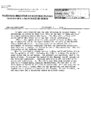
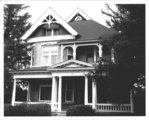
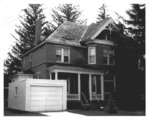
Show 1 SIGNIFICANCE PERIOD AREAS OF SIGNIFICANCE -- CHECK AND JUSTIFY BELOW -PREHISTORIC _ARCHEOLOGY-PREHISTORIC _COMMUNITY PLANNING -LANDSCAPE ARCHITECTURE -RELIGION -1400-1499 -^ARCHEOLOGY-HISTORIC -CONSERVATION -LAW -SCIENCE - 1500-1599 .^AGRICULTURE -ECONOMICS -LITERATURE -SCULPTURE -1600-1699 -^ARCHITECTURE -EDUCATION -MILITARY -SOCIAL/HUMANITARIAN -1700-1799 _ART -ENGINEERING -MUSIC -THEATER -1800-1899 ^-1900- -COMMERCE -EXPLORATION/SETTLEMENT -PHILOSOPHY _TRANSPORTATION -COMMUNICATIONS -INDUSTRY -POLITICS/GOVERNMENT _OTHER (SPECIFY) -INVENTION SPECIFIC DATES 1903 BUILDER/ARCHITECT Herbert Qegg STATEMENT OF SIGNIFICANCE The Austin-Wherritt House is significant because the sophistication of its design and construction, relative to the predominant contemporary architectural expressions of Heber City, describe, illuminate, and document the social aspirations and cultural level of the professional elite of a small agricultural community. The Austin-Wherritt House is the most elaborate Queen Anne/Colonial Revival home in Wasatch County and in interior and exterior appearance is almost entirely original. A large two and a half story brick structure, the home reflects the emphasis on dominating roof planes and large porches that are part of the era's emphasis on the domestic qualities of the home. The mature landscaping, including enormous evergreens, makes for an integrity of setting consistent with the importance of the house. During the nineteenth century Wasatch County's economy was mainly supported by the cattle and sheep industry. The sheep industry was especially profitable in the area because of the excellent grazing land. The industry was so large in the area that for several years more sheep were shipped from Heber to the stockyards of the Midwest than from any single part of the United States. John E. Austin, the original owner of this house, was one of the largest individual sheep owners in the area. Austin also served as chairman of the county commissioners in Wasatch County in 1903. In 1904 he helped organize the Heber Land and Livestock Company, a local associastion of sheepmen in the valley. Austin was the main stockholder and served as general manager of the company. When Austin was elected to the county commission, he moved from Center Creek, a small farming and grazing community in Wasatch County, to Heber City, the county's seat. When he moved, he hired some of the local masons, including Herbert Clegg, to build this house. Austin lived in the house for two years and then moved to Wyoming. Dr. William Wherritt was one of the few people in the community who could afford such a home, and following its purchase in 1908 it remained the Wherritt residence until his death in 1948. The imposing dignity of the home was a visible reminder to the community of the social importance of the physician. Wherritt, a native of Missouri, played a prominent role in the development of medical services in Wasatch County. During the nineteenth century many of the "doctors" in the rural areas of the United States had received either no formal training or were practitioners in some form of quackery. Many people simply hung up a sign and started to practice. Therefore, it was quite a coup for the community that Wherritt, a graduate of the Kansas City Medical College, should decide to set up in Wasatch County, a decision he made after visiting his brothers in Park City, Utah, and deciding he liked the area. |