| OCR Text |
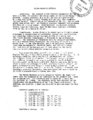
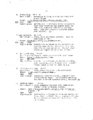
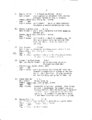
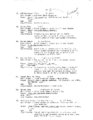
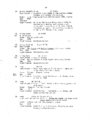
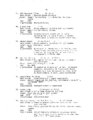
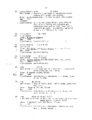
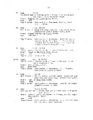
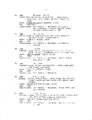
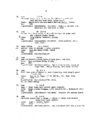
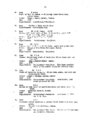
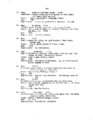
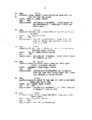
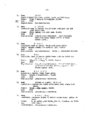
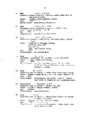
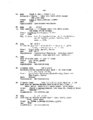
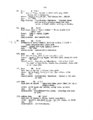
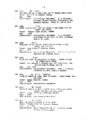
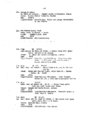
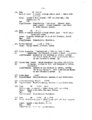
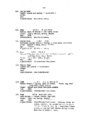
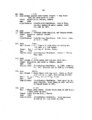
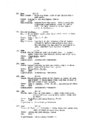
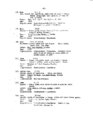
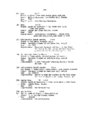
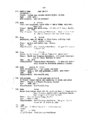
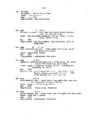
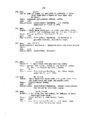
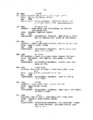
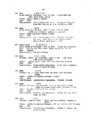
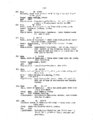
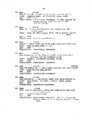
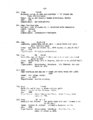
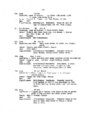
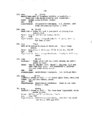
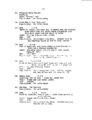
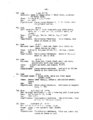
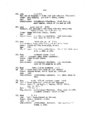
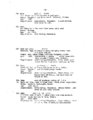
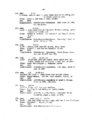
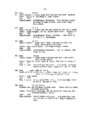
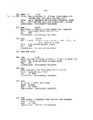
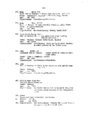
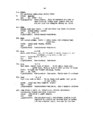
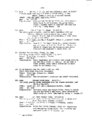
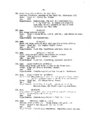
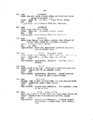
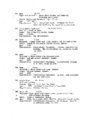
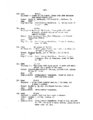
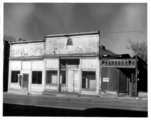
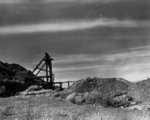
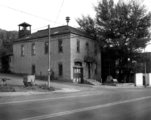
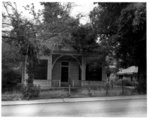
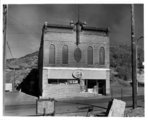
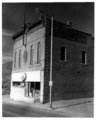
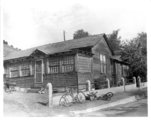
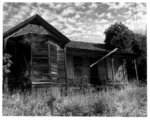
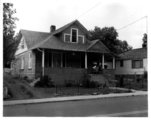
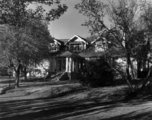
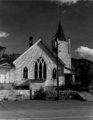
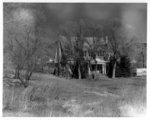
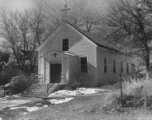
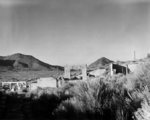
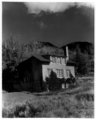
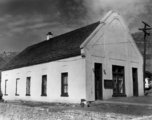
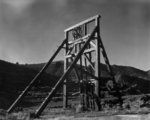
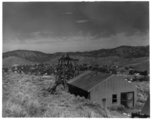
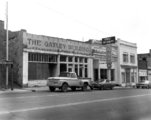
Show EUREKA HISTORIC DISTRICT Description: The proposed Eureka district encompasses the city of Eureka, the economic and social center of the Tintic Mining District. Located primarily in a gulch, the city is characterized by a long curving main street, running east and west, that separates the town in half. Streets follow the contours of the hills and railroad grades (see Eureka map). All historic resoruces represent the processes and flows of a mining center. Architecturally the district contains various types of structures, which in most cases represent vernacular forms as well as a fusion of styles. Significance: Eureka district is significant as Tintic f s center, containing a concentration of residential, ecommercial, institutional, and industrial structures all relevant to life in a mining town. (The Tintic District significance is discussed in the accompanying history.) The existence of residences built by mining entrepreneurs, much in a Prairie Style,*illustrate the variations of wealth in a mining town. In the same district, and in an individual property, these same entrepreneurs, the Fitch family, not only built homes but there located the headquarters of their mines and the family cemetery--a most unique practice among mine owners, Some properties which generally are exempted from National Register listing are included as integral parts of the district. Church buildings--Catholic, Latter-day Saints, and Methodist--all reflect the religious character of Eureka. The Catholic rectory and convent also reflects the wealth and support provided by the Fitch Family. Architecturally the Methodist and L.D.S. Churches represent the Gothic style in wood; and although the L.D.S. structure has been altered, its Gothic treatment is rare among old standing Mormon churches. Given the nature of a mining town (i.e. an area of fluidity of movement) some buildings, primarily residences, have been moved; but some movement is in itself a characteristic of mining town life. The Eureka Historic District primarily follows the legal city limits with the exception of two extensions on the southern end. These two exceptions are: (1) Fitchville and the Chief No. 1 Mine; and (2) the Chief No. 2 Mine. The reasoning behind this decision was the significance and identification of the Fitch family with Eureka. In addition, the Chief No. 1 shaft was utilized to mine ore under the city limits. Reference points are as follows: A) B) C) D) E) F) G) H) 12/403690/4423560 12/403690/4422320 112° 06' 31" Long. 112° 06' 14" Long. 112° 06' 14" Long. 112° 06' 14" Long. 112° 06' 47" Long. 112° 06' 47" Long. Approximate acreage: 570 39° 39° 39° 39° 39° 39° 56' 57' 54' 57' 57' 57' 51" 17" 14" 44" 44" 34" Lat. Lat. Lat. Lat. Lat. Lat. . |