| OCR Text |
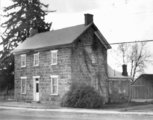
Show 1 SIGNIFICANCE PERIOD AREAS OF SIGNIFICANCE - CHECK AND JUSTIFY BELOW _XRELIGION -PREHISTORIC _ARCHEOLOGY-PREHISTORIC -COMMUNITY PLANNING -LANDSCAPE ARCHITECTURE _1400-1499 -ARCHEOLOGY-HISTORIC -CONSERVATION -LAW -SCIENCE -1500-1599 _AGRICULTURE -ECONOMICS -LITERATURE -SCULPTURE _1600-1699 .^ARCHITECTURE X.EDUCATION -MILITARY -SOCIAL/HUMANITARIAN -1700-1799 _ART -ENGINEERING -MUSIC -THEATER -2^1800-1899 -COMMERCE -EXPLORATION/SETTLEMENT -PHILOSOPHY -TRANSPORTATION -1900- _COMMUNICATIONS -INDUSTRY _POLITICS/GOVERNMENT -OTHER (SPECIFY) -INVENTION SPECIFIC DATES ca. 1875 (1874-1875) BUILDER/ARCHITECT Joseph Olpin STATEMENT OF SIGNIFICANCE The Joseph Olpin House, built ca. 1875 by the owner, a stone mason, is one of the early pioneer homes of Pleasant Grove. It is a fine example of Utah vernacular architecture and has historic associations with the Mormon religion and the development of education in the State. Joseph Olpin was born in Gloucester, England, in 1839. His father joined the Mormon Church in that country, and Joseph was baptized by him in 1845. Joseph Olpin came to Utah in 1856 at the age of 17. Olpin lived in Salt Lake City, until 1863, when he moved to Rockport. He remained there until moving to Pleasant Grove in 1867 at the suggestion of Joseph Wadley, his brother-in-law. Olpin received the land on which the house stands from Wadley as payment for construction of a house for him. Olpin originally built a one-room log house on the site, later replaced by a two-room adobe. Olpin's skill as a stone mason was widely sought by residents of Pleasant Grove, and he built many of the stone houses still standing in the area. Olpin built the two-story soft stone house in 1874 or 1875. He died January 17, 1880, in Pleasant Grove. The house passed to Albert Henry Olpin, the youngest of his four sons. Albert Olpin was a carpenter by trade and was responsible for much of the woodwork in the house, including the curving wooden staircase in the central hall. He also built the brick addition at the rear ca. 1908-1910. While on a church mission to South Carolina in 1901-1903, Albert Olpin was severely beaten by a mob. This incident is symbolic of the anti-Mormon tensions which continued into the 20th Century. Dr. A. Ray Olpin, past president of the University of Utah, is the oldest son of Albert and Alvira Olpin. He was born in the house in 1898. Dr. Olpin headed the University from 1946 to 1964. During these years the institution experienced tremendous growth, enrollment increasing from c. 7,000 to c. 18,000 over the period. The house remained in the Olpin family until 1943, when the President's mother sold it. The home is currently the private residence of Mr. and Mrs. Edward Platt who wish to complete its restoration. |