| OCR Text |
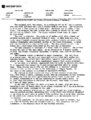
Show Form No. 1p-300a (fiev. 10-74) UNITED STATES DEPARTMENT OE THE INTERIOR NATIONAL PARK SERVICE NATIONAL REGISTER OF HISTORIC PLACES INVENTORY -- NOMINATION FORM CONTINUATION SHEET ITEM NUMBER FOR NFS USI ONLY 9 P •RECEIVERS'\! *:' 4J 0 DATE ENTERED PAGE 1975 <dftft. 1. .. -B7§ Two Please add to Item No. 8 on the Bountiful Tabernacle, Davis County, Utah. The Bountiful Tabernacle is significant historically by virtue of its being the oldest religious structure in the State of Utah, the religious building enjoying the longest continuous use in Utah, and the oldest edifice built by the Church of Jesus Christ of Latter-day Saints (Mormons) to be in continuous use as a place of worship. Every prophet of the Mormons, save Joseph Smith, who was killed in Nauvoo, Illinois, before coming West, has preached in the tabernacle. The Bountiful Tabernacle also has the distinction of being the oldest extant example, and undoubtedly the most impressive example from any period, of early Greek Revival architecture in Utah. Greek Revival styling was the first prominent style to take hold in Utah after the technology was developed to advance from the levels of primitive shelter and vernacular architecture. Architect Augustus A. Farnham, an early convert to the Mormon Church, was born in Andover, Massachusetts, and called upon his knowledge of Greek Revival motifs to enhance a potentially ordinary adobe meetinghouse. Each craftsman in turn contributed his finest decorative work to set the tabernacle apart from other public buildings at the time. From the fine circular stairways leading to the gal Iery but It by George W. Lincoln, to the classically pi lastered and arched reredos framing the Weggeland portrait of Joseph Smith, the building was finished and detailed in the most refined methods the Bountiful pioneers were capable of. Recently saved from destruction by Mormon Church leaders, there is no other Utah structure that better represents the aspirations, pride, and accomplishments of pioneers in a primitive environment than the Bountiful Tabernacle. ' .... |