| OCR Text |
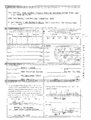
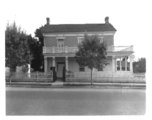
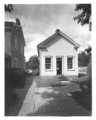
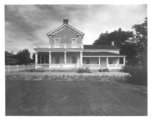
Show PERIOD (Check One or More as Appropriate) CD Pre-Columbian I CD 16th Century CD 15th Century CD 17t " Century AREAS OF SIGNIFICANCE CD 20th Century 18th Century j^ 19th Century (Check One or More as Appropriate) Aboriginal CD Education I [ Prehistoric G Engineering CD Historic Q Industry Q Political CD Q Religion/Phi- ffl Other (Specify) losophy CD Agriculture CD Invention Q Science 52 Architecture CD Landscape Q Sculpture D Art Architecture Urban Planning tjisforic person Q Social/Human- CD Commerce D Lfterature CD Communications CD Military Q Theater CD Conservation [ I Music j | Transportation itarian TATEMENT OF SIGNIFICANCE Z o u Brigham Young's winter home and office was built for his convenience while spending the cold months in Utah's Dixie. The great colonizer sent missionaries to the Virgin River area as early as 1856, Cotton production began the following year at Washington. In JJ86.1 , a major influx of colonists resulted in the establishment of St. George. Young frequently visited the "Dixie Mission," and spent his winters there between 1873 and 1877. One purpose was to encourage the settlers to finish the St. George Temple, which they did early in 1877. Brigham Young dedicated the temple before returning north in the spring. He died the fol lowing August. Soon after his death, the family sold the home from the Brigham Young estate to Dr. Judd Gates, St. George's first dentist. Dr. Gates used the upstairs for his offices. Later the home became rental property. By the early 19^0 's it was vacant and needed repair. LU LJ on The Young family again bought the property. Georgius Cannon Young, a grandson and architect of note, helped plan its restoration. The property was deeded to Utah State Parks and Recreation in 1959. The L.D.S. Church provided funds for re-shingling the roofs and the State Parks followed through with its restoration, which is well along, but not yet complete. |