| OCR Text |
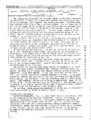
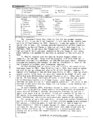
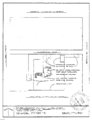
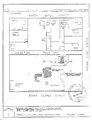
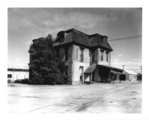
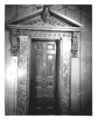
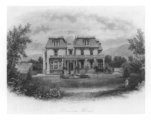
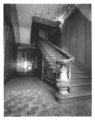
Show (Check One) CONDITION Q Excellent Fair \3 Good [J Deteriorated [~~| Ruins Altered Q f~l Unexposed (Check OneJ (Check One) Unaltered Moved [ Origtr.al Site DESCRIBE THE PRESENT AND ORIGINAL. (if fcnotvn) PHYSICAL APPEARANCE The original building built for William Staines in 1857 was a two-story residence built of adobe, wl th a west wing running north-south containing parlor and bedrooms, and a central wing running east-west. Deviating somewhat from the strict plan of the city which ordained that all homes must be built in the center of the lot and set back 20 feet from the frontage line, Mr. Staines built his home in the center of the grounds (2 lots of 1-1/4 acres), with his orchards in the front. The next owner, Joseph A. Young, enlarged the property to three lots when he purchased the corner of the block. When Mr. William Jennings purchased the property, he enlarged the grounds to include more than half the city block. Later Jennings added a large east wing, respecting the architecture of the original house, and transformed the informal gardens of Mr. Staines to the formal gardens befitting his palatial residence. Iron gates and carriage ways were installed and the property now consisted of the mansion, ornamental grounds, grapery, hot houses, stables and carriage house. Only the house and the much-altered stable remain. William Paul was the architect. The home was distinctly Victorian in style, with considerable French detail, but curiously was constructed of brick masonry with cement plaster exterior finish scored to resemble stonework. Masonry bearing walls are two stories high with wood framed mansard roofs forming the third floor at the front. A broad portico extended across the south facade and around to the east side to the dining room. A portion of this just outside the dining room was a glass-enclosed conservatory. None of this remains except the red sandstone steps to the front door. The interior is elaborate with heavy carved pine woodwork in all major first floor rooms grained to resemble oak, mahogany^ birds-eye maple and marble. Ceilings are of plaster with plaster cornices varying in size and complexity. Walls were papered. In the front stair hall and the first floor rear corridor much of the original wallpaper is intact. It was handpainted to resemble oak grain and in the front hall every seam was covered with a painted rope and tassel. Only two fireplaces remain: a white marble mantel in the southeast bedroom and an imitation marble metal mantel in the library below. At one time there were two fireplaces in the ballroom, singl fireplaces in the drawing room and dining room, fireplaces or small Franklin stoves in other bedrooms and two stoves in the kitchen. The building, though abused and neglected inside and out, is structural! sound and a surprising amount of interior detail is intact. .- During the depression, the J. J. Coan family lived in the mansion. Many of the treasures of the home have disappeared. However, fortunately, an authentic restoration is feasible. At present a committee consisting of representatives of the Junior League of Salt Lake City, the Utah Heritage Foundation, Salt Lake City Historic Buildings Advisory Committee, Women's Architectural League, the Utah American Institute of Arch it ects, the Board of State History, and the Utah State Historical Society, is developing a program for the complete restoration of this historic structure and its setting. rn rn z tsi C n |