| OCR Text |
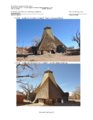
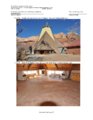
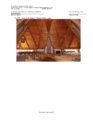
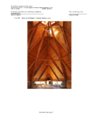
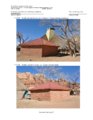
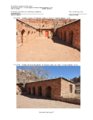
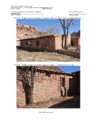
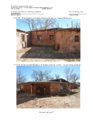
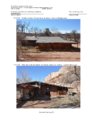
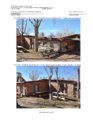
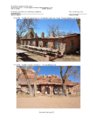
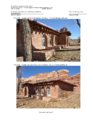
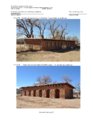
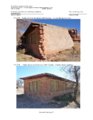
Show United States Department of the Interior National Park Service / National Register of Historic Places Registration Form NPS Form 10-900 OMB No. 1024-0018 St. Christopher's Mission to the Navajo (additional documentation) Name of Property San Juan County, Utah County and State as economically sound-so . There are examples of the Mission style throughout Utah, but it was never as popular as other period revival styles, such as the English Tudor Revival and Colonial Revival. The particular interpretation of the Mission style Father Liebler applied in the design of the early buildings of St. Christopher's Episcopal Mission is even more unique, both in its appearance and in the materials used, in that it seems primitive, but also slightly modern. The primitivism of the first building, the main mission house, transitions to a slightly more modern appearance in the 1950s buildings, and particularly the residence, which has a mid-century Ranch influence. So there is a transition of architectural styles in the complex, from the quite-rustic main mission house to the very contemporary summer chapel. Most examples of Mission Style in the state are commercial storefront buildings with a stylized rounded parapet typically framed with pilasters on either end of the building. Typical construction materials include brick masonry and stucco. Stone is not a common material in any of the examples, and especially in the style used in the mission buildings. The coursed rubble sandstone masonry of the earlier buildings in the complex makes them appear as though they could have been constructed much earlier than the 1940s-50s. This is probably mostly due to the isolation of the area, even up into the mid-twentieth century, and the lack of technology available in the region at that time. None of the buildings feature parapets, which was a typical feature of the Mission style, particularly on commercial buildings. Instead they opt for flat roofs, which provide a slight nod to mid-century modernism. However, the projecting log vigas and Roman and segmental arched loggias and fenestration found on various buildings are the strongest statements of the Mission style in their vernacular manifestation at St. Christopher's. The summer chapel, on the other hand, eschews the both the Mission style and the rusticity of the sandstone altogether. However, although these earlier stylistic themes were not adopted in the design of the later summer chapel, the contrast between the styles enhances the modern nature of its architecture. The triangular footprint and pyramidal shape of the building, not to mention its height, make this building the most recognizable of the complex, particularly from the road that passes by the mission, and is a recognizable symbol for the mission. The building is definitely an architectural statement of its time, unlike the more primitive stone buildings that appear to be from a much earlier era than when they were constructed. Juxtaposing the original buildings with the later contemporary style chapel (which replaced the original log chapel destroyed by fire), the complex takes on a different character from its original appearance. For this reason, the Summer Chapel is considered a contributing building in the complex. Because of the unique appearance of the Mission style used in the majority of the earlier buildings in the complex and the contrast of the contemporary style of the chapel, along with the vernacular building methods applied in the construction of the earlier stone buildings-utilizing help from local, unskilled Navajos the mission was established to serve-this nomination amends the original to include Architecture under Criterion C as an area of significance. ______________________________________________________________________________ 9. Major Bibliographical References Bibliography (Cite the books, articles, and other sources used in preparing this form.) See original nomination for complete bibliography ___________________________________________________________________________ Sections 9-end page 10 |