| Title |
Carlos L. Hyde, Monticello, Utah, Utah Uranium Oral History Project |
| Alternative Title |
Carlos L. Hyde, Utah Uranium Oral History Project |
| Creator |
Hyde, Carlos L. |
| Contributor |
Simon, Suzanne |
| Date |
1970-08-03 |
| Date Digital |
2016-05-04 |
| Access Rights |
I acknowledge and agree that all information I obtain as a result of accessing any oral history provided by the University of Utah's Marriott Library shall be used only for historical or scholarly or academic research purposes, and not for commercial purposes. I understand that any other use of the materials is not authorized by the University of Utah and may exceed the scope of permission granted to the University of Utah by the interviewer or interviewee. I may request permission for other uses, in writing to Special Collections at the Marriott Library, which the University of Utah may choose grant, in its sole discretion. I agree to defend, indemnify and hold the University of Utah and its Marriott Library harmless for and against any actions or claims that relate to my improper use of materials provided by the University of Utah. |
| Spatial Coverage |
Monticello, San Juan County, Utah, United States |
| Subject |
Hyde, Carlos L.--Interviews; Uranium miners--Utah--Interviews; Uranium mines and mining--Utah |
| Keywords |
United States Vanadium Corporation |
| Description |
Transcript (27 pages) of an interview by Suzanne Simon with Carlos Hyde, on August 3, 1970. From tape number UR-153 in the Utah Uranium Oral History Project |
| Abstract |
Hyde spoke with Suzanne Simon in Monticello, Utah. Subjects: personal background, types of mines, hazards in the mills, Happy Jack mine, Fry Canyon, explosives, accidents, isolation, recreation, ore processing, the closure of the Happy Jack, Lake Powell, Highway 95 (27 pages). |
| Type |
Text |
| Format |
application/pdf |
| Extent |
20 pages |
| Language |
eng |
| Rights |
 |
| Rights Holder |
For further information please contact Special Collections, J. Willard Marriott Library, University of Utah at spcreference@lists.utah.edu or (801)581-8863 or 295 South 1500 East, 4th Floor, Salt Lake City, Utah 84112 |
| Scanning Technician |
Mazi Rakhsha |
| Conversion Specifications |
Original scanned with Kirtas 2400 and saved as 400 ppi uncompressed TIFF. PDF generated by Adobe Acrobat Pro X for CONTENTdm display |
| ARK |
ark:/87278/s6pp1cqz |
| Topic |
Uranium miners; Uranium mines and mining |
| Genre |
oral histories (literary works) |
| Finding Aid |
http://archiveswest.orbiscascade.org/ark:/80444/xv03439/ |
| Setname |
uum_uoh |
| ID |
1057856 |
| Reference URL |
https://collections.lib.utah.edu/ark:/87278/s6pp1cqz |
| Title |
Page 4 |
| Format |
application/pdf |
| Setname |
uum_uoh |
| ID |
1057830 |
| OCR Text |
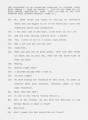
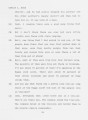
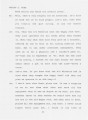
Show CARLOS L. HYDE CH: Yeah, that's what they do call carnotite, Morrison. SS: And oh, who owned those mills, I mean those mines out there? CH: The us Vanadium Corporation at that time. It's Union Carbide now. Then United States Vanadium Corporation at that time. SS: Where did they ship that ore? CH: It went to, I think at that time they were processing in--?--- what they shipped out. They later built a mill in Uravan, they processed it there. SS: And when you first started mining, just how did you go about it? I know it's changed a lot today, but how was it then? CH: Well, then, in this country at that time it was all hand mining, you learned to drill and hand steel, you were mucking with a shovel and an iron out wheelbarrow. [You did] everything the hard way, that's for sure. SS: And then how did they haul the ore? Did they have some small trucks then? CH: Well, yes, some of the mines packed it off the hills even on burros and mules to get it to a road. SS: Pretty rugged in Dry Valley, huh? CH: The bigger and better mines had roads, to which you could get to in a small truck. But some of them even 2 |
| Reference URL |
https://collections.lib.utah.edu/ark:/87278/s6pp1cqz/1057830 |