| Title |
Gilmor C. Ritter, Grand Junction, Colorado, Uranium History Series |
| Alternative Title |
Gilmor C. Ritter, Utah Uranium Oral History Project |
| Creator |
Ritter, Gilmor C. |
| Contributor |
Gibbs, Richard; Brolin, Greg |
| Date |
1970-07-21 |
| Date Digital |
2016-05-04 |
| Access Rights |
I acknowledge and agree that all information I obtain as a result of accessing any oral history provided by the University of Utah's Marriott Library shall be used only for historical or scholarly or academic research purposes, and not for commercial purposes. I understand that any other use of the materials is not authorized by the University of Utah and may exceed the scope of permission granted to the University of Utah by the interviewer or interviewee. I may request permission for other uses, in writing to Special Collections at the Marriott Library, which the University of Utah may choose grant, in its sole discretion. I agree to defend, indemnify and hold the University of Utah and its Marriott Library harmless for and against any actions or claims that relate to my improper use of materials provided by the University of Utah. |
| Spatial Coverage |
Grand Junction, Mesa County, Colorado, United States |
| Subject |
Ritter, Gilmor C.--Interviews; Uranium miners--Colorado--Interviews; Uranium ores--Colorado Plateau; Uranium mines and mining--Colorado; Uranium industry--United States |
| Keywords |
Atomic Energy Commission; Union Mines Survey |
| Description |
Transcript (31 pages) of an interview by Richard Gibbs and Greg Brolin with Gilmor Ritter, on July 21, 1970. From tape number 77 in the Uranium History Series |
| Abstract |
Richard Gibbs and Greg Brolin interviewed Ritter at the AEC compound in Grand Junction, Colorado. Subjects: Union Mines Survey, early years on the Colorado Plateau, qualifications for obtaining and AEC lease, disadvantages of an AEC lease, uranium ore purchasing policy, experience in the uranium industry (31 pages). |
| Type |
Text |
| Format |
application/pdf |
| Extent |
31 pages |
| Language |
eng |
| Rights |
 |
| Rights Holder |
For further information please contact Special Collections, J. Willard Marriott Library, University of Utah at spcreference@lists.utah.edu or (801)581-8863 or 295 South 1500 East, 4th Floor, Salt Lake City, Utah 84112 |
| Scanning Technician |
Mazi Rakhsha |
| Conversion Specifications |
Original scanned with Kirtas 2400 and saved as 400 ppi uncompressed TIFF. PDF generated by Adobe Acrobat Pro X for CONTENTdm display |
| ARK |
ark:/87278/s6mk8kwp |
| Topic |
Uranium miners; Uranium industry; Uranium mines and mining; Uranium ores |
| Genre |
oral histories (literary works) |
| Finding Aid |
http://archiveswest.orbiscascade.org/ark:/80444/xv03439/ |
| Setname |
uum_uoh |
| ID |
1057440 |
| Reference URL |
https://collections.lib.utah.edu/ark:/87278/s6mk8kwp |
| Title |
Page 11 |
| Format |
application/pdf |
| Setname |
uum_uoh |
| ID |
1057416 |
| OCR Text |
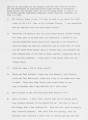
Show page 9 R: sample. So they've got--by the time they get down to the fourth sample, maybe they're got a sample which represents only a pound of the ton of material that they put in originally. But the original cut that they took out of there represented maybe two hundred pounds. A ten percent cut, a ten percent cut, ten percent cut--till you get down to the one. But this is a pretty fair sample because a ten percent cut, they're taking quite a--they're getting that sample bucket, that sample wheel is going through that stream of ore fairly rapidly. And it's getting both the high grade and the low grade. G: Did the A.E.C. have any control over this ore salilPling? R: Oh yes, and we exercised it. For one thing, the A.E.C. had a stake in it. Because in the early days the cost of uranium concentrate was fairly well tied to the cost of ore as well as the cost of producing the concentrate. The cost of the ore was directly tied into the operation of the miner's operation. A good sample was fair to all. A poor sample hurt somebody. But if the poor sample hurt the miner, he quit mining. If the poor sample hurt the miller, the cost of uranium went up, so we were by-in-large quite interested. The Cormnission financed two surveys of sampling. One was by the Colorado School of Mining, the other by a research foundation, as I recall. It discovered and they brought to light that practices could be improved, equipment could be added, and I think had a great deal to do with improving the quality of the sampling. We ourselves have a sampling check program. Bill Anderson, |
| Reference URL |
https://collections.lib.utah.edu/ark:/87278/s6mk8kwp/1057416 |