| OCR Text |
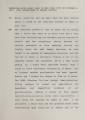
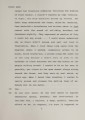
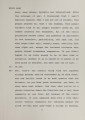
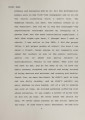
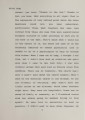
Show In te d f t be m future. I l o 1 the Michiko Ok mote - 2. in n s, I volunteered udy ' ng m dicine in the h for I felt useful, but cruel indifference toward nd m ntally ill, all of whom ril to county or state hospitals in from b ing with their families when we The j urne t T p z under guard with armed soldiers was intimi-d ting as ell as e hausting; the drawn shades were humiliating; the long its on sidings as we were shunted aside for the rest of America to go b as demeaning. Underlying the hope that living conditions auld be better, more comfortable, was a fear that we auld be mistreated farther isolated and ignored by the world . in a bleak desert. The rebellions, shootings and eventual killing of HaLsuki akasa an Issei, in my Block, confirmed the hatred against all Japanese. To be greeted by a fresh platoon of heavily armed military police after four days of travel on rickety trains was numbing as we disembarked in the seemingly deserted town of Delta. Crowded into an army truck¢ aaa-aases, none of us spoke as we bounced over new dirt roads to Topaz. The sight of Topaz was demoralizing: The far horizon was barely discerniable through the thick yellow dust. The flat wasteland seemed to go on in every direction forever. The guardtowers and garrison looked formidable. The sturdy white administration offices and quarters were clustered near the only road and xxs widely distanced from the hundreds of flimsy black barracks. I felt the hard impact of apartheid. Standing in the dust, inching along a line to be checked off, registered again, assigned an "apartment" and becoming dehydrated seemed ridiculous and ironic. The lukewarm tea offered in heavy, institutional mugs was undrinkable for it was clouded with alkaline dust. There was no transportation to our unit in Block 36 at the far end of Topaz. The blocks were not marked nor were the roads maf*ed. hClumsily carrying our belongings, mother and I groped our wayJtHMgaust asking directions of other newcomers who could not help. early all our neighbors in Block 36 were strangers from farms or small towns, extremely provincial in their thinking and behavior. Mother and I were now subjected to another despotism. The "shimaguni konjo" mentality, literally, "island minded" or xenophobic . Japanese scorned mother as an uppidy Tokyo widow, who had no soc1al status among them. I was a fatherless child--an unforgiveable curse-and refused to be obsequious .with them. Even though rigid class distinctions broke down in camp, the Japanese tyranny of conformity and obseisance to authority was oppressive. I felt trapped within a trap. |