| Title |
James A. Faulkner, Bountiful, Utah: an interview by Becky B. Lloyd, January 13, 2003: Saving the Legacy tape no. 559 |
| Alternative Title |
James A. Faulkner, Saving the legacy: an oral history of Utah's World War II veterans, ACCN 2070, American West Center, University of Utah |
| Creator |
Faulkner, James A., 1924- |
| Contributor |
Lloyd, Becky B.; University of Utah. American West Center |
| Publisher |
Digitized by J. Willard Marriott Library, University of Utah |
| Date |
2003-01-13 |
| Date Digital |
2015-12-16 |
| Access Rights |
I acknowledge and agree that all information I obtain as a result of accessing any oral history provided by the University of Utah's Marriott Library shall be used only for historical or scholarly or academic research purposes, and not for commercial purposes. I understand that any other use of the materials is not authorized by the University of Utah and may exceed the scope of permission granted to the University of Utah by the interviewer or interviewee. I may request permission for other uses, in writing to Special Collections at the Marriott Library, which the University of Utah may choose grant, in its sole discretion. I agree to defend, indemnify and hold the University of Utah and its Marriott Library harmless for and against any actions or claims that relate to my improper use of materials provided by the University of Utah. |
| Spatial Coverage |
France; Belgium; Philippines |
| Subject |
Faulkner, James A., 1924- --Interviews; Veterans--United States--Biography; World War, 1939-1945--Personal narratives, American; World War, 1939-1945--Military operations, American; World War, 1939-1945--Campaigns--Europe, Northern--Personal narratives, American |
| Description |
Transcript (44 pages) of an interview by Becky B. Lloyd with James A. Faulkner on January 13, 2003. From tape number 559 in the "Saving the Legacy" Oral History Project |
| Collection Number and Name |
Accn2070, Saving the Legacy oral history project, 2001-2010 |
| Abstract |
Faulkner (b. 1924) was drafted into the army in February 1943 and was assigned to the Trident Division. His unit was shipped to LeHavre, France, and saw action in Belgium. He provides a detailed account of the events that led to his unit being credited with firing the last shot of the war in Europe. The unit was shipped to the Philippines for the anticipated invations of Japan, but returned to the United States, where he was discharged in February 1946. Interviewed by Becky Lloyd. 44 pages. |
| Type |
Text |
| Genre |
oral histories (literary works) |
| Format |
application/pdf |
| Extent |
44 pages |
| Language |
eng |
| Rights |
 |
| Scanning Technician |
Mazi Rakhsha |
| Conversion Specifications |
Original scanned with Kirtas 2400 and saved as 400 ppi uncompressed TIFF. PDF generated by Adobe Acrobat Pro X for CONTENTdm display |
| ARK |
ark:/87278/s6zg8v80 |
| Topic |
Personal narratives--American; Veterans; World War (1939-1945) |
| Setname |
uum_slohp |
| ID |
1034614 |
| Reference URL |
https://collections.lib.utah.edu/ark:/87278/s6zg8v80 |
| Title |
Page 12 |
| Format |
application/pdf |
| Setname |
uum_slohp |
| ID |
1034578 |
| OCR Text |
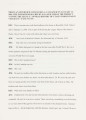
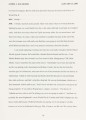
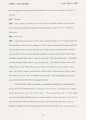
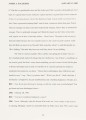
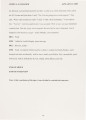
Show JAME A. FAULKNER J R 1 , 200 phenomenal in that few years span. We could do those I could run th se tw nty-mil hikes backwards and when the people get tired and sweaty and gasping I would tak their packs and their rifles. And the man you saw with his arm around me, Harley Dunipace? BEC: Yeah. JIM: He and I were the mules. We would just bring those boys in because we liked to have 100%. Then we'd go throw the football around. I can remember when we started doing that the two old sergeants said, "We're sick and tired of you guys showing off." We didn't understand what he was talking about because we weren't that tired. He was. He was so tired I thought he was going to drop. Finally we graduated, we graduated from basic training. Homer Knight, who was our company commander, shipped those two guys out and he made non-coms right there on the spot. BEC: Oh, really? JIM: The first sergeant was a kid named Willie Felton who's in a rest home right now and in trouble. He's eighty-four, eighty-five. He was a bright man, a good man and he was our first sergeant. And then he made four technical sergeants and I was one of those. And then he made twelve staff sergeants as squad leaders, right there on the spot. That's when I came home and my dad said to me, "Boy, let me see your orders." And I showed them to him and he was shocked to think you could get in the service and in three months become a technical sergeant with five stripes because he told me it took him many years to do that in the Marine Corps. Then my answer to him was, of course, "Well, Dad, we're a little sharper these days.' I said it in jest; he took it in jest. 9 |
| Reference URL |
https://collections.lib.utah.edu/ark:/87278/s6zg8v80/1034578 |