| Title |
Calvin J. Stevens, Orem, Utah: an interview by Benjamin Bahlmann, August 30, 2002: Saving the Legacy tape nos. 524 & 525 |
| Alternative Title |
Calvin J. Stevens, Saving the legacy: an oral history of Utah's World War II veterans, ACCN 2070, American West Center, University of Utah |
| Creator |
Stevens, Calvin J., 1922- |
| Contributor |
University of Utah. American West Center; Bahlmann, Benjamin J. |
| Publisher |
Digitized by J. Willard Marriott Library, University of Utah |
| Date |
2002-08-30 |
| Date Digital |
2015-12-16 |
| Access Rights |
I acknowledge and agree that all information I obtain as a result of accessing any oral history provided by the University of Utah's Marriott Library shall be used only for historical or scholarly or academic research purposes, and not for commercial purposes. I understand that any other use of the materials is not authorized by the University of Utah and may exceed the scope of permission granted to the University of Utah by the interviewer or interviewee. I may request permission for other uses, in writing to Special Collections at the Marriott Library, which the University of Utah may choose grant, in its sole discretion. I agree to defend, indemnify and hold the University of Utah and its Marriott Library harmless for and against any actions or claims that relate to my improper use of materials provided by the University of Utah. |
| Spatial Coverage |
England, United Kingdom |
| Subject |
Stevens, Calvin J., 1922- --Interviews; Veterans--Utah--Biography; World War, 1939-1945--Personal narratives, American; World War, 1939-1945--Aerial operations, American; World War, 1939-1945--Campaigns--Europe, Northern--Personal narratives, American |
| Keywords |
Great Depression; Telegraph operators; Army Air Corps; Ball turret gunner; Aerial gunner |
| Description |
Transcript (76 pages) of an interview by Benjamin Bahlmann with Calvin J. Stevens on August 30, 2002. From tape numbers 524 and 525 in the "Saving the Legacy" Oral History Project |
| Collection Number and Name |
Accn2070, Saving the Legacy oral history project, 2001-2010 |
| Abstract |
Stevens (b. 1922) recalls his childhood in Idaho during the Depression. He was drafted into the army in September 1942 and received basic training at Buckley Field, Colorado before being assigned to B-17 gunnery school as a ball turret gunner. He flew to England and was assigned to the 401st air base in Deenethorpe. Stevens talks about his crew, his duties, missions flown, and war experiences. He returned stateside in 1945 and was a gunnery instructor at Fort Myers, Florida, until the war ended. He was discharged in October 1945. Interviewed by Benjamin Bahlmann. 76 pages. |
| Type |
Text |
| Genre |
oral histories (literary works) |
| Format |
application/pdf |
| Extent |
76 pages |
| Language |
eng |
| Rights |
 |
| Scanning Technician |
Mazi Rakhsha |
| Conversion Specifications |
Original scanned with Kirtas 2400 and saved as 400 ppi uncompressed TIFF. PDF generated by Adobe Acrobat Pro X for CONTENTdm display |
| ARK |
ark:/87278/s6rb96n6 |
| Topic |
Personal narratives--American; Veterans; World War (1939-1945); Military operations, Aerial--American |
| Setname |
uum_slohp |
| ID |
1033006 |
| Reference URL |
https://collections.lib.utah.edu/ark:/87278/s6rb96n6 |
| Title |
Page 47 |
| Format |
application/pdf |
| Setname |
uum_slohp |
| ID |
1032975 |
| OCR Text |
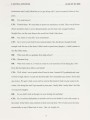
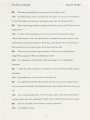
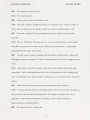
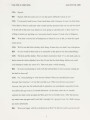
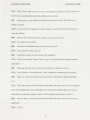
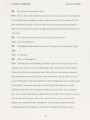
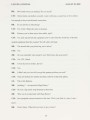
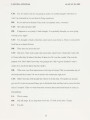
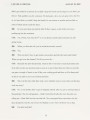
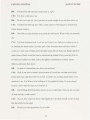
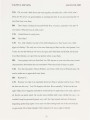
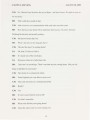
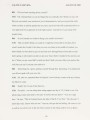
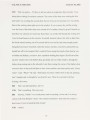
Show CAL VIN J. TEVE T 0, 2 02 BB: How about when you're in the ball turret though, then what? CJS: Well, as long as I was needed down there, it had to wait. Then when we look d like we'd be out of danger for a while, I'd come up and relieve myself. But there was a relief tube out of the ball turret, but it didn't work. BB: It would freeze up? CJS: Even when it didn't freeze, it wouldn't get rid of it, so I got so I never even fooled with that anymore. BB: How did you feel about not running into enemy fighters? You're trained to be a gunner but never really having to utilize your skills that they were trying to teach you, yet you have to fly every mission. CJS: My thought was I'm there if I'm needed and I think I can do the work ifl'm needed, but thank goodness I don't have to do it. I wasn't worried about being a hero or something I could brag about to my grandkids or something on that type of thing. I was wanting to make it back home. If I didn't happen to be needed in that particular event, though I had all that training and one thing and another, that wasn't a problem with me. I was glad that our friendly aircraft, our fighters, would pick us up on the way home as soon as they could come far enough to get to us and escort us on the way in, as far as they could go, if fuel supplies allowed. That pretty well kept the Germans at bay as far as enemy aircraft fighters were concerned. BB: Did your plane ever, did you ever have any other incidences where you lost an engine? Did you ever have to leave formation and limp home on your own? CJS: No, we was pretty lucky that way. Our ground crew was pretty competent and maintained the aircraft and our pilot was competent. 46 |
| Reference URL |
https://collections.lib.utah.edu/ark:/87278/s6rb96n6/1032975 |