| Title |
Robert Earl Compton, West Jordan, Utah: an interview by Becky B. Lloyd, July 7, 2004: Saving the Legacy tape no. 679 |
| Alternative Title |
Robert Earl Compton, Saving the legacy: an oral history of Utah's World War II veterans, ACCN 2070, American West Center, University of Utah |
| Creator |
Compton, Robert Earl, 1925-2007 |
| Contributor |
Lloyd, Becky B.; University of Utah. American West Center |
| Publisher |
Digitized by J. Willard Marriott Library, University of Utah |
| Date |
2004-07-06 |
| Date Digital |
2015-12-16 |
| Access Rights |
I acknowledge and agree that all information I obtain as a result of accessing any oral history provided by the University of Utah's Marriott Library shall be used only for historical or scholarly or academic research purposes, and not for commercial purposes. I understand that any other use of the materials is not authorized by the University of Utah and may exceed the scope of permission granted to the University of Utah by the interviewer or interviewee. I may request permission for other uses, in writing to Special Collections at the Marriott Library, which the University of Utah may choose grant, in its sole discretion. I agree to defend, indemnify and hold the University of Utah and its Marriott Library harmless for and against any actions or claims that relate to my improper use of materials provided by the University of Utah. |
| Spatial Coverage |
Algeria; Italy; Philippines; Japan |
| Subject |
Compton, Robert Earl, 1925-2007--Interviews; Veterans--United States--Biography; World War, 1939-1945--Personal narratives, American; World War, 1939-1945--Naval operations, American; World War, 1939-1945--Campaigns--Europe, Southern--Personal narratives, American; World War, 1939-1945--Campaigns--Pacific Area--Personal narratives, American |
| Keywords |
Oran; Naples; Pompeii |
| Description |
Transcript (42 pages) of an interview by Becky B. Lloyd with Robert Earl Compton on July 6, 2004. From tape number 679 in the "Saving the Legacy" Oral History Project |
| Collection Number and Name |
Accn2070, Saving the Legacy oral history project, 2001-2010 |
| Abstract |
Compton (b. 1925) quite high school to join the Navy in 1942 at age 17. He was assigned to duty near Norfolk, Virginia, where he learned to operate LSVPs. He served aboard the USS Oberon and the Samuel Chase in Africa and the Pacific, driving landing craft loaded with men and supplies to beach landings. After the war he delivered supplies to Japanese harbors. Interviewed by Becky Lloyd. 42 pages. |
| Type |
Text |
| Genre |
oral histories (literary works) |
| Format |
application/pdf |
| Extent |
42 pages |
| Language |
eng |
| Rights |
 |
| Scanning Technician |
Mazi Rakhsha |
| Conversion Specifications |
Original scanned with Kirtas 2400 and saved as 400 ppi uncompressed TIFF. PDF generated by Adobe Acrobat Pro X for CONTENTdm display |
| ARK |
ark:/87278/s60g5n6s |
| Topic |
Personal narratives--American; Veterans; World War (1939-1945); Military operations, Naval--American |
| Setname |
uum_slohp |
| ID |
1032332 |
| Reference URL |
https://collections.lib.utah.edu/ark:/87278/s60g5n6s |
| Title |
Page 31 |
| Format |
application/pdf |
| Setname |
uum_slohp |
| ID |
1032320 |
| OCR Text |
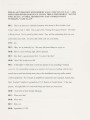
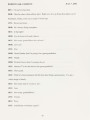
Show ROBERT EARL OMPTON J L 7 2 04 BOB: I think that there more than one in there. BEC: I wa wondering if I could take one and add it to your story. BOB: I tell you that one of the highlights in my naval career was going through a storm in the North Atlantic. BEC: Is that right? BOB: It makes a believer out of you. We ran into a 1 03-knot gale, a storm. It tore ... where's that picture of the ship that I had? BEC: That big one? BOB: No, that other one with the ship's picture on it, with all the boats already loaded, going into port there. BEC: Here it is. BOB: We had four boats up here and we lost all four of them. It was like looking at the Wasatch Mountains over here, those waves coming at us. Well, you can see the mountains underneath that tree. BEC: Is that right? BOB: I looked up and saw waves like that coming at us. This ship was just like it was a cork thrown out into the middle of a big pond. It was bouncing around like a cork. In fact, in that story, it tells how we split, one, two, and three holds. In the middle of the ship, there were what we called holds. There were hatches, bigger than between here and that wall. They were at least as wide as my house square. Big enough to be able to drop a Sherman tank down in there. It was a hole, a big square hole. Then we had what we called battens, platforms that they stick on there with booms and cranes. Then they'd put steel bands over the top of that with canvas so that the stuff stays dry down in the bottom 31 |
| Reference URL |
https://collections.lib.utah.edu/ark:/87278/s60g5n6s/1032320 |