| Title |
Byron J. Sharp, West Jordan, Utah: an interview by Becky B. Lloyd, September 14, 2004: Saving the Legacy tape no. 712 |
| Alternative Title |
Byron J. Sharp, Saving the legacy: an oral history of Utah's World War II veterans, ACCN 2070, American West Center, University of Utah |
| Creator |
Sharp, Byron J. |
| Contributor |
Lloyd, Becky B.; University of Utah. American West Center |
| Publisher |
Digitized by J. Willard Marriott Library, University of Utah |
| Date |
2004-09-14 |
| Date Digital |
2015-12-16 |
| Access Rights |
I acknowledge and agree that all information I obtain as a result of accessing any oral history provided by the University of Utah's Marriott Library shall be used only for historical or scholarly or academic research purposes, and not for commercial purposes. I understand that any other use of the materials is not authorized by the University of Utah and may exceed the scope of permission granted to the University of Utah by the interviewer or interviewee. I may request permission for other uses, in writing to Special Collections at the Marriott Library, which the University of Utah may choose grant, in its sole discretion. I agree to defend, indemnify and hold the University of Utah and its Marriott Library harmless for and against any actions or claims that relate to my improper use of materials provided by the University of Utah. |
| Spatial Coverage |
England; France; Belgium; Germany |
| Subject |
Sharp, Byron J.--Interviews; Veterans--Utah--Biography; World War, 1939-1945--Personal narratives, American; World War, 1939-1945--Campaigns--Europe, Northern--Personal narratives, American; World War, 1939-1945--Campaigns--France--Normandy--Personal narratives, American; Glider pilots--Biography; Geologists--Biography |
| Keywords |
D-Day; Glider pilot |
| Description |
Transcript (64 pages) of an interview by Becky B. Lloyd with Byron J. Sharp, on September 14, 2004. From tape number 712 in the "Saving the Legacy" Oral History Project |
| Collection Number and Name |
Accn2070, Saving the Legacy oral history project, 2001-2010 |
| Abstract |
Mr. Sharp was born October 13, 1921, in Salt Lake City, Utah. He enlisted in the Army in May 1942, and took basic training at Camp Roberts, California, where he became an instructor. He was recruited for glider pilot training in Colorado and received gunnery training in Kentucky. After transfer to Spanhoe, England, in the fall of 1943, he was assigned to the 315th Troop Carrier Group, 52nd Troop Carrier Wing, IX Troop Carrier Command in the 9th Air Force. He describes his experiences landing paratroopers in gliders during the D-Day invasion. He was involved in Market Garden and returned to the states when the war ended. As a civilian, Sharp received his PhD in Geology, worked for the USGS, and retired from the Department of Energy. Interviewed by Becky Lloyd. 64 pages. |
| Type |
Text |
| Genre |
oral histories (literary works) |
| Format |
application/pdf |
| Extent |
64 pages |
| Language |
eng |
| Rights |
 |
| Scanning Technician |
Mazi Rakhsha |
| Conversion Specifications |
Original scanned with Kirtas 2400 and saved as 400 ppi uncompressed TIFF. PDF generated by Adobe Acrobat Pro X for CONTENTdm display |
| ARK |
ark:/87278/s69c90gs |
| Topic |
Personal narratives--American; Veterans; World War (1939-1945); Military glider pilots; Geologists |
| Setname |
uum_slohp |
| ID |
1032289 |
| Reference URL |
https://collections.lib.utah.edu/ark:/87278/s69c90gs |
| Title |
Page 18 |
| Format |
application/pdf |
| Setname |
uum_slohp |
| ID |
1032242 |
| OCR Text |
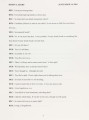
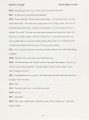
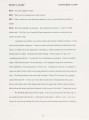
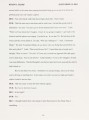
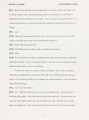
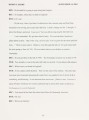
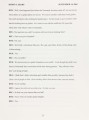
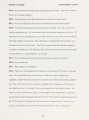
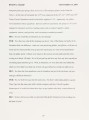
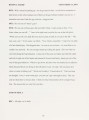
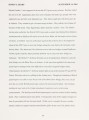
Show BYRO J. HARP PT M R 14 200 for us. But I had just made a two-hour flight that I was happy with and wa walking ut there. I saw this first lieutenant walking out there and threw him a salut . It wa R nald Reagan. BEC: Is that right? BYR: Yes. He was a first lieutenant in the cavalry or something. He had crossed-sabers on his lapels. BEC: So you had a brush with greatness. DEE: Didn't you see Jimmy Stewart down in another ... BYR: Oh, that was when we were headed for Dalhart. Now Dalhart, Texas, was our third flight school. It was for the big heavy gliders, the troop gliders. [Editor's note: Lieutenant Sharp probably flew a Waco (also called the Hadrian by the British) CG-4A Combat Assault Glider. Wacos were the most widely used Allied troop/cargo gliders of WWII with more than 12,000 produced. (!'he British also built about 4000 large Horsa gliders.) The Waco was made of metal tubing, canvas and wood and carried no armor and could be towed to a maximum of 150 mph. Each Waco weighed about 3500 lbs and could carry an additional 4000 lbs, including a pilot and copilot. Its wingspan was 83ft. 8 in, and its length was 48ft. 4 in. Wacos were towed by C-46 's or C-47 's or sometimes by bombers. CG-4As were used in the invasions of Sicily, France, Holland, Germany and in other airborne operations in Europe and Asia. The gliders themselves were generally considered expendable. Most were so badly damaged by combat landings that they weren't worth fixing and retrieving. Gliders were intended to operate primarily in tandem with paratroopers to land large equipment such as jeeps, quarter-ton trucks, small bulldozers, light artillery or anti-tank guns. A Waco could also deliver a squad of 18 |
| Reference URL |
https://collections.lib.utah.edu/ark:/87278/s69c90gs/1032242 |