| Title |
Kenyon E. Graff, Orem, Utah: an interview by Benjamin Bahlmann, November 1, 2002: Saving the Legacy tape no. 610 |
| Alternative Title |
Kenyon E. Graff, Saving the legacy: an oral history of Utah's World War II veterans, ACCN 2070, American West Center, University of Utah |
| Creator |
Graff, Kenyon E., 1924- |
| Contributor |
Bahlmann, Benjamin J.; University of Utah. American West Center |
| Publisher |
Digitized by J. Willard Marriott Library, University of Utah |
| Date |
2002-11-01 |
| Date Digital |
2015-12-16 |
| Access Rights |
I acknowledge and agree that all information I obtain as a result of accessing any oral history provided by the University of Utah's Marriott Library shall be used only for historical or scholarly or academic research purposes, and not for commercial purposes. I understand that any other use of the materials is not authorized by the University of Utah and may exceed the scope of permission granted to the University of Utah by the interviewer or interviewee. I may request permission for other uses, in writing to Special Collections at the Marriott Library, which the University of Utah may choose grant, in its sole discretion. I agree to defend, indemnify and hold the University of Utah and its Marriott Library harmless for and against any actions or claims that relate to my improper use of materials provided by the University of Utah. |
| Spatial Coverage |
Wales; France; Germany; England, United Kingdom |
| Subject |
Graff, Kenyon E., 1924- --Interviews; Veterans--Utah--Biography; World War, 1939-1945--Personal narratives, American; World War, 1939-1945--Military operations, American; World War, 1939-1945--Artillery operations, American; World War, 1939-1945--Campaigns--Europe, Northern--Personal narratives, American; World War, 1939-1945--Campaigns--France--Normandy--Personal narratives, American; Falaise Gap, Battle of, France, 1944 |
| Keywords |
D-Day; Cannon Company; Falaise Pocket |
| Description |
Transcript ( 62 pages) of an interview by Benjamin Bahlmann with Kenyon E. Graff on November 1, 2002. From tape number 610 in the "Saving the Legacy" Oral History Project |
| Collection Number and Name |
Accn2070, Saving the Legacy oral history project, 2001-2010 |
| Abstract |
Graff (b. 1924) discusses growing up in Hurricane, Utah, during the Depression. He was drafted into the Army in 1943 and was inducted at Fort Douglas, Utah, before being sent to Camp Van Dorn, Mississippi, for basic training with the 63rd Division. He was transferred to Fort Dix, New Jersey, with the 90th Division, 359th Regiment, Cannon Company. They were shipped to Liverpool, England, and then to Abergavenny for additional training. Graff provides a description of the training and his duties on the cannon. He participated in the D-Day invasion at Utah Beach on D-plus two. He was wounded and spent approximately five weeks in a field hospital before rejoining his company. They moved with the front line to Germany, where they were attached to the 3rd Battalion. They participated in the Battle of the Bulge activities near Dillengen, Germany. Graff was sent back to England with injuries resulting from trench foot, had his appendix removed, and returned to New York on V-E Day. He spent time in hospitals in Auburn and San Francisco, California, before being rehabilitated at Colorado Springs, Colorado. He was discharged from there in November 1945. Graff spent his post-military career working for Geneva Steel. Interviewed by Benjamin Bahlmann. 62 pages. |
| Type |
Text |
| Genre |
oral histories (literary works) |
| Format |
application/pdf |
| Extent |
62 pages |
| Language |
eng |
| Rights |
 |
| Scanning Technician |
Mazi Rakhsha |
| Conversion Specifications |
Original scanned with Kirtas 2400 and saved as 400 ppi uncompressed TIFF. PDF generated by Adobe Acrobat Pro X for CONTENTdm display |
| ARK |
ark:/87278/s6km1dxf |
| Topic |
Personal narratives--American; Veterans; World War (1939-1945); Military operations, Artillery--American; Falaise Gap, Battle of (France : 1944) |
| Setname |
uum_slohp |
| ID |
1030746 |
| Reference URL |
https://collections.lib.utah.edu/ark:/87278/s6km1dxf |
| Title |
Page 32 |
| Format |
application/pdf |
| Setname |
uum_slohp |
| ID |
1030714 |
| OCR Text |
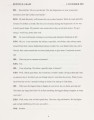
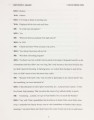
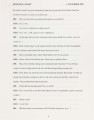
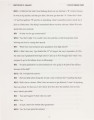
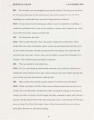
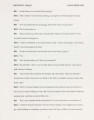
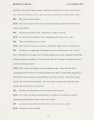
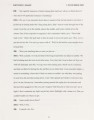
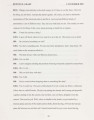
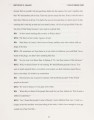
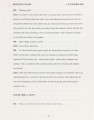
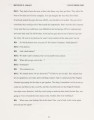
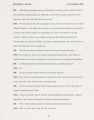
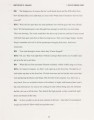
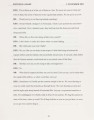
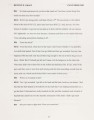
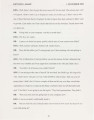
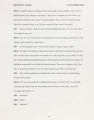
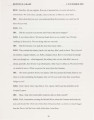
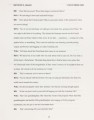
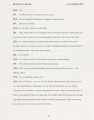
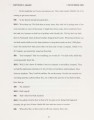
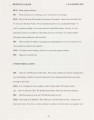
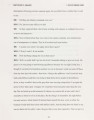
Show KENYON E. GRAFF 1 R2 02 BB: So what experiences do you have that stand out? Are there certain things that stand out those next few months? KEG: Well, I got along pretty well there till July 12th. We moved up to a hill called about in the area of Hill 122, and it may have been Hill 122. And, anyway, for some reason or another, we got moved up right up in front with the infantry, all our cannons did. Apparently, we was too close because a German tank fired on our cannon and truck. I was unloading ammunition, handing it off. .. BB: From that truck? KEG: From that truck, when they hit the truck. I don't know whether it was probably two shells that landed. Out of that, four got killed and four got wounded. Anyway, that happened. But that tank only stayed there long enough to fire on us before he got out of there, I think. But I'd already got hit and I came over the hedgerow on the other side where they didn't have direct fire on me, before that had direct fire. In fact, some of the guys said they seen it, seen them pull netting aside that had camouflage on and seen the spout stick out, which maybe looked like it was maybe a block away. BB: Were you wounded in that? KEG: Yes, I got wounded. I got hit in the head and the back, broke my ear drums. I feel like that the shell landed in the bedrolls on the truck that I was loading ammunition on. I got the blast. It knocked me, really knocked me flat, just like somebody took a bunch of baseball bats and hit me over the head the concussion of the shell. I didn't get much shrapnel. BB: Did you come to right then? Were you conscious? 31 |
| Reference URL |
https://collections.lib.utah.edu/ark:/87278/s6km1dxf/1030714 |