| Title |
Donald G. Johnson, Salt Lake City, Utah: an interview by Benjamin J. Bahlmann, September 14, 2002: Saving the Legacy tape no. 600 |
| Alternative Title |
Donald G. Johnson, Saving the legacy: an oral history of Utah's World War II veterans, ACCN 2070, American West Center, University of Utah |
| Creator |
Johnson, Donald G., 1924-2005 |
| Contributor |
Bahlmann, Benjamin J.; University of Utah. American West Center |
| Publisher |
Digitized by J. Willard Marriott Library, University of Utah |
| Date |
2002-09-14 |
| Date Digital |
2015-12-16 |
| Access Rights |
I acknowledge and agree that all information I obtain as a result of accessing any oral history provided by the University of Utah's Marriott Library shall be used only for historical or scholarly or academic research purposes, and not for commercial purposes. I understand that any other use of the materials is not authorized by the University of Utah and may exceed the scope of permission granted to the University of Utah by the interviewer or interviewee. I may request permission for other uses, in writing to Special Collections at the Marriott Library, which the University of Utah may choose grant, in its sole discretion. I agree to defend, indemnify and hold the University of Utah and its Marriott Library harmless for and against any actions or claims that relate to my improper use of materials provided by the University of Utah. |
| Spatial Coverage |
England, United Kingdom; France; Belgium; Germany |
| Subject |
Johnson, Donald G., 1924-2005--Interviews; Veterans--Utah--Biography; World War, 1939-1945--Personal narratives, American; World War, 1939-1945--Military operations, American; World War, 1939-1945--Artillery operations, American; World War, 1939-1945--Campaigns--Europe, Northern--Personal narratives, American; World War, 1939-1945--Campaigns--France--Normandy--Personal narratives, American; Ardennes, Battle of the, 1944-1945--Personal narratives, American |
| Keywords |
ROTC; Tank Destroyer Battalion; D-Day; Battle of the Bulge; Remagen Bridge; Dachau |
| Description |
Transcript (72 pages) of an interview by Benjamin J. Bahlmann with Donald G. Johnson on September 14, 2002. From tape number 600 in the "Saving the Legacy" Oral History Project |
| Collection Number and Name |
Accn2070, Saving the Legacy oral history project, 2001-2010 |
| Abstract |
Johnson (b. 1924) shares stories of his upbringing in Salt Lake. He focuses on his time in the military, including his time in the ROTC at the University of Utah. JOhnson describes how his experiences in ROTC helped, but also caused a problem for him in basic training. When he was assigned to Field Artillery he was assigned to a French 75 artillery piece. There was no one who knew anything about the French 75. Mr Johnson knew about it, and taught student and cadre the ins and outs of the French. He was assigned to the 817th Tank Destroyer Battalion. He was first assigned to a half-track vehicle with the French 75 piece. Eventually he was assigned to an M18 Hellcat. He participated in D-Day, hitting Omaha Beach D+2 hours. He describes being surrounded by Germans, how they had to surrender, then about their escape from the shed the Germans had placed them in. He also recalls occupation duty following VE day. Interviewed by Benjamin Bahlmann. 72 pages. |
| Type |
Text |
| Genre |
oral histories (literary works) |
| Format |
application/pdf |
| Extent |
72 pages |
| Language |
eng |
| Rights |
 |
| Scanning Technician |
Mazi Rakhsha |
| Conversion Specifications |
Original scanned with Kirtas 2400 and saved as 400 ppi uncompressed TIFF. PDF generated by Adobe Acrobat Pro X for CONTENTdm display |
| ARK |
ark:/87278/s62n74bg |
| Topic |
Personal narratives--American; Veterans; World War (1939-1945); Military operations, Artillery--American; Ardennes, Battle of the (1944-1945) |
| Setname |
uum_slohp |
| ID |
1030267 |
| Reference URL |
https://collections.lib.utah.edu/ark:/87278/s62n74bg |
| Title |
Page 17 |
| Format |
application/pdf |
| Setname |
uum_slohp |
| ID |
1030209 |
| OCR Text |
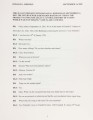
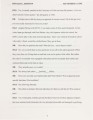
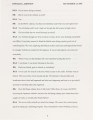
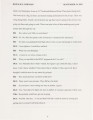
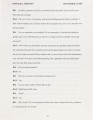
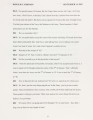
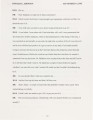
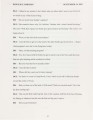
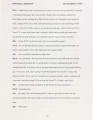
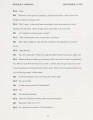
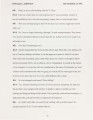
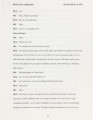
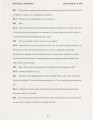
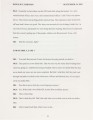
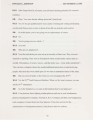
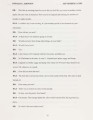
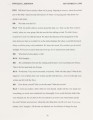
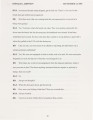
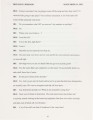
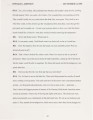
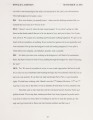
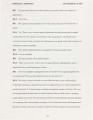
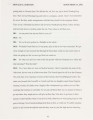
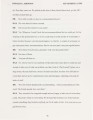
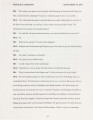
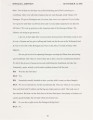
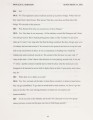
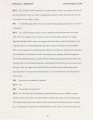
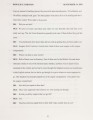
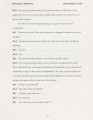
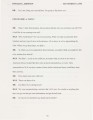
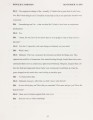
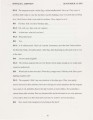
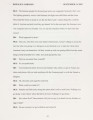
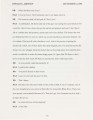
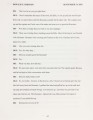
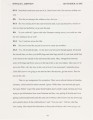
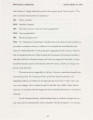
Show DONALD G. JOHN 0 p R 1 , 20 2 BB: Okay, so you re still working with the 75. Okay. DGJ: Later on, in fact when we went overseas, the 7 5 was our primary weapon. It proved insufficient, but it was still our primary weapon. But we went through Hood. BB: Were you still instructing by then? Or by then was everyone caught up to speed with you? DGJ: No, I was no longer instructing, although I'd made enough enemies. They resent very much a subordinate that knows more than they do. It didn't prove to be much of an advantage to me. BB: How did it disadvantage you? DGJ: Just the attitude that the NCOs and the officers had. When they were dealing with me or I had any dealings with them, it was the aggressive nature in which it was done. That's about all. Eventually, quite a little while, there was a turnover enough in officers and not necessarily NCOs, but in officers, a lot of it disappeared. It wound up the captain of our company we wound up with was a gentleman by the name of Omenheier, got wind of some of the resentment and what was going on with the NCOs with regard to me and he more or less put a stop to it. So it was a little different after a while. BB: So what changed in advanced? More drilling? DGJ: Yes. Advanced training you learn, of course, the basic armaments, the tank and the gun that it was equipped with and how to handle it, deploy it and the use of it, tracking and firing and things of this nature. That's primarily what advanced training is is deploying of the unit and how they're supposed to be deployed. BB: So I didn't catch that, you weren't just working with an artillery piece? It's actually armored? It's a 75 on a tracked vehicle? 16 |
| Reference URL |
https://collections.lib.utah.edu/ark:/87278/s62n74bg/1030209 |