| Title |
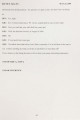
Kieth P. Gillen, South Jordan, Utah: an interview by Becky B. Lloyd, May 26, 2004: Saving the legacy tape no. 651 |
| Alternative Title |
Kieth P. Gillen, Saving the legacy: an oral history of Utah's World War II veterans, ACCN 2070, American West Center, University of Utah |
| Creator |
Gillen, Kieth P., 1925- |
| Contributor |
Lloyd, Becky B.; University of Utah. American West Center |
| Publisher |
Digitized by J. Willard Marriott Library, University of Utah |
| Date |
2004-05-26 |
| Date Digital |
2015-09-16 |
| Access Rights |
I acknowledge and agree that all information I obtain as a result of accessing any oral history provided by the University of Utah's Marriott Library shall be used only for historical or scholarly or academic research purposes, and not for commercial purposes. I understand that any other use of the materials is not authorized by the University of Utah and may exceed the scope of permission granted to the University of Utah by the interviewer or interviewee. I may request permission for other uses, in writing to Special Collections at the Marriott Library, which the University of Utah may choose grant, in its sole discretion. I agree to defend, indemnify and hold the University of Utah and its Marriott Library harmless for and against any actions or claims that relate to my improper use of materials provided by the University of Utah. |
| Spatial Coverage |
France; Germany; Sandy, Salt Lake County, Utah, United States; Myton, Duchesne County, Utah, United States |
| Subject |
Gillen, Kieth P., 1925- --Interviews; World War, 1939-1945--Personal narratives, American; Veterans--Utah--Biography; World War, 1939-1945--Military operations, American; World War, 1939-1945--Campaigns--Europe, Northern--Personal narratives, American |
| Description |
Transcript (65 pages) of an interview by Becky B. Lloyd with Kieth P. Gillen on May 26, 2004. This is from tape number 651 in the "Saving the Legacy Oral History Project |
| Collection Number and Name |
Accn2070, Saving the Legacy oral history project, 2001-2010 |
| Abstract |
Gillen (b. 1925) enlisted in the army in 1943 and was assigned to an engineering unit. He was transported by ship to Le Havre, where he was assigned to the 87th Infantry, 4th Division. His responsibilities included transporting prisoners of war. He gives a description of ferrying U.S. troops across the Rhine River while under fire from German 88s located on the banks of the river. After the war he served in the army of occupation until his discharge in April 1946. 65 pages. |
| Type |
Text |
| Genre |
oral histories (literary works) |
| Format |
application/pdf |
| Extent |
65 pages |
| Language |
eng |
| Rights |
 |
| Scanning Technician |
Mazi Rakhsha |
| Conversion Specifications |
Original scanned with Kirtas 2400 and saved as 400 ppi uncompressed TIFF. PDF generated by Adobe Acrobat Pro X for CONTENTdm display |
| ARK |
ark:/87278/s6vt3r9t |
| Topic |
Personal narratives--American; Veterans; World War (1939-1945) |
| Setname |
uum_slohp |
| ID |
1024419 |
| Reference URL |
https://collections.lib.utah.edu/ark:/87278/s6vt3r9t |
| Title |
Page 65 |
| Format |
application/pdf |
| Setname |
uum_slohp |
| ID |
1024417 |
| OCR Text |
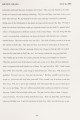
Show KI TH P. ILL 2 20 4 compani and made this new company out of them. They w re far behind in th tat - of-the-art in process and tracking technology. My boss said they went back twelve y ar from what we had. We developed for twelve years and they went back to manually taking care of the information in the plants and used old electronics like that. We had to help convert them, help these people get squared around, but they had five general plant offices or headquarters in different sections of the United States. The only thing that they weren't covering that we had been was down in Hawaii with this here new company named Qual ex. My boss was the only one (left). They laid off ninety-seven of us in one day up here in Salt Lake. One man, my boss, went down to somewhere in Texas, San Antonio, where one of the new regional offices was. He got so fed up with it in a short time that he came back to Salt Lake, too. So it never worked out very good for him. They finally got up so they do a pretty good job, but they just crippled our situation. Then they just took one of the plants in each city or one or two from all these different photo companies and made Qual ex out of them. So I got laid off in 1989. I didn't retire until 1990. So I lived for a year trying to find another job. They says, "Oh, you're overqualified. We can't use you. You can't do this here." But they wouldn't say it in those words or "you're too old, sixty-four years old." They wouldn't say it in those words but they'd say, "Oh, we've got to get somebody who'd be junior that we can just train up to the way we do things. We can't afford somebody that would cost a little bit of money." Anyway, I didn't find a job that whole year. We just lived on what we had. I did get some severance. We lived on that until the next year. That was from May until February when my birthday was. I got full retirement at sixty-five. But I was the first guy to get 64 |
| Reference URL |
https://collections.lib.utah.edu/ark:/87278/s6vt3r9t/1024417 |