| Title |
Robert B. Clay, Bountiful, Utah: an interview by Benjamin Bahlmann, April 27, 2001: Saving the legacy tape no. 390, 391 and 392 |
| Alternative Title |
Robert B. Clay, Saving the legacy: an oral history of Utah's World War II veterans, ACCN 2070, American West Center, University of Utah |
| Creator |
Clay, Robert B., 1918-2007 |
| Contributor |
Bahlmann, Benjamin; University of Utah. American West Center |
| Publisher |
Digitized by J. Willard Marriott Library, University of Utah |
| Date |
2001-04-27 |
| Date Digital |
2015-09-16 |
| Access Rights |
I acknowledge and agree that all information I obtain as a result of accessing any oral history provided by the University of Utah's Marriott Library shall be used only for historical or scholarly or academic research purposes, and not for commercial purposes. I understand that any other use of the materials is not authorized by the University of Utah and may exceed the scope of permission granted to the University of Utah by the interviewer or interviewee. I may request permission for other uses, in writing to Special Collections at the Marriott Library, which the University of Utah may choose grant, in its sole discretion. I agree to defend, indemnify and hold the University of Utah and its Marriott Library harmless for and against any actions or claims that relate to my improper use of materials provided by the University of Utah. |
| Spatial Coverage |
Germany; Denmark; Box Elder County, Utah, United States |
| Subject |
Clay, Robert B., 1918-2007--Interviews; World War, 1939-1945--Personal narratives, American; Veterans--Utah--Biography; World War, 1939-1945--Aerial operations, American; World War, 1939-1945--Campaigns--Europe, Northern--Personal narratives, American; Prisoners of war--United States; Prisoners of war--Germany |
| Keywords |
351st Bomb Group; POW; Civil Air Authority; Army Air Corps; B-17; B-24 |
| Description |
Transcript (122 pages) of an interview by Benjamin Bahlmann with Robert B. Clay on April 27, 2001. This is from tape numbers 390, 391, and 392 in the "Saving the Legacy Oral History Project |
| Collection Number and Name |
Accn2070, Saving the Legacy oral history project, 2001-2010 |
| Abstract |
Clay (b. 1918) was born in Willard, Utah. He grew up in Utah during the Depression and, after graduating from high school, he learned to fly a Piper Cub through a program sponsored by the Civil Air Authority (CAA). He recounts how he saw an Army Air Corps advertisement which said "You can take this $25,000 course in flying, and get your wings, and get to be a 2nd lieutenant." He joined in 1940 and was trained in California, New Mexico, Colorado and Montana. He was assigned to the 351st Bomb Group, and went to Europe in 1943. Shot down on his seventeenth mission, he was a prisoner of war in Denmark and Germany. After the war he received a PhD in Physics, eventually specializing in explosives research. He was part of the group of men who formed Ireco Chemical Company. 122 pages. |
| Type |
Text |
| Genre |
oral histories (literary works) |
| Format |
application/pdf |
| Extent |
122 pages |
| Language |
eng |
| Rights |
 |
| Scanning Technician |
Mazi Rakhsha |
| Conversion Specifications |
Original scanned with Kirtas 2400 and saved as 400 ppi uncompressed TIFF. PDF generated by Adobe Acrobat Pro X for CONTENTdm display |
| ARK |
ark:/87278/s6hx3bwd |
| Topic |
Personal narratives--American; Veterans; World War (1939-1945); Military operations, Aerial--American; Prisoners of war |
| Setname |
uum_slohp |
| ID |
1020291 |
| Reference URL |
https://collections.lib.utah.edu/ark:/87278/s6hx3bwd |
| Title |
Page 37 |
| Format |
application/pdf |
| Setname |
uum_slohp |
| ID |
1020203 |
| OCR Text |
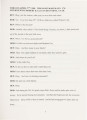
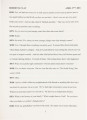
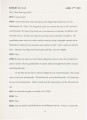
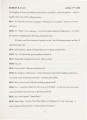
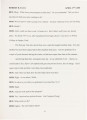
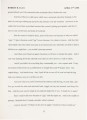
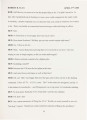
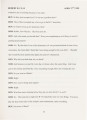
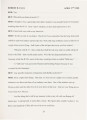
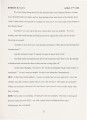
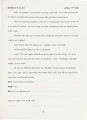
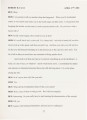
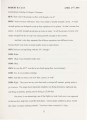
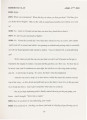
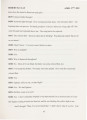
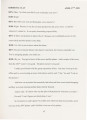
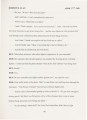
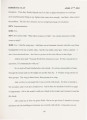
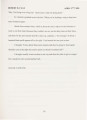
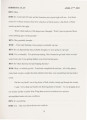
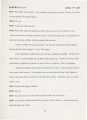
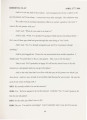
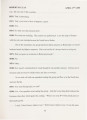
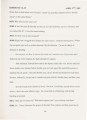
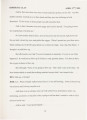
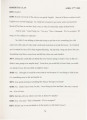
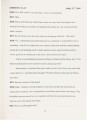
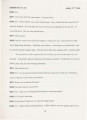
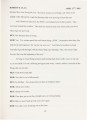
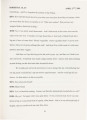
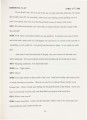
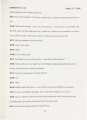
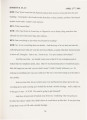
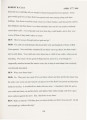
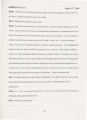
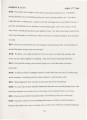
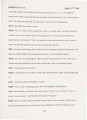
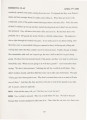
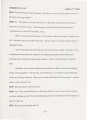
Show ROBERT B. CLAY APRIL 27 11 , 2001 BEN: Okay. So you picked up a new G then did they fly you up to Reykjavik or what was the route that flew overseas? ROB: Well, we circled Niagara Falls on the way over and landed up in Maine. I think it was Bangor. And stayed there, and then we flew on up to Newfoundland. And we stayed there until the weather was suitable. And the night I took off to fly across the ocean - there were over one hundred air planes that flew across that night (they'd been accumulating because of the weather). BEN: How long had you been there? A couple days, or was it weeks? ROB: Well, four or five days I guess. And I never had any serious trouble flying over. The only two things that happened that I can remember is that half-way over I could see a big storm up ahead. And I decided to go over it instead of try to fly around it. So I told the crew to put on their oxygen masks and we were going to fly over this storm. And the same waist gunner that I'd bailed out of jail said, "Lieutenant Clay, I can't find my oxygen mask." I said, "Well, you better put that oxygen tube in your mouth- and don't go to sleep or you' ll wake up dead." And I never heard another "yip" out of him. It was a demand system where, when you sucked in, it let the oxygen come in. And when you blew out, why, the valve closed. And I just thought, "How can anybody who has been trained for six months lose his oxygen mask?" He sure never said anything about it. I'm sure he just sat there and sucked on that 35 |
| Reference URL |
https://collections.lib.utah.edu/ark:/87278/s6hx3bwd/1020203 |